

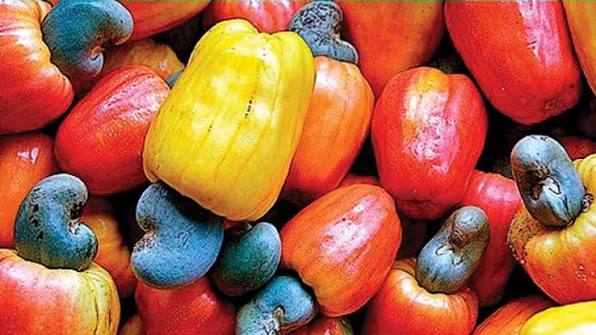
Ghana, one of Africa’s top cashew producers, is finding new economic value in cashew apples, a largely wasted fruit that is providing an additional source of income to farmers.
The country produces some 250,000 tons of raw cashew nuts each year. But cashew trees produce far more apples than nuts, with much of the fruit traditionally left unprocessed and unsold, industry officials say.
Farmers pick the nuts carefully for sale to buyers but the fleshy apples they are attached to are often discarded. Within hours the fruit begins to rot, wasting a potentially valuable part of the harvest.
For decades, cashew apples have largely been outside the market economy, as farmers have had few buyers for the fruit. The fruit is also hard to transport before it spoils because there are no processing facilities nearby.
Now, researchers, farmers and industry leaders believe the discarded fruit could become a new source of income for rural communities if Ghana can develop the systems to collect, process and market it.
Waste to Wealth
Francisca Aba Ansah, a food post-harvest scientist at the CSIR-Food Research Institute and project lead for MA-CASH, said; “the opportunity became clear after field visits revealed the scale of cashew apple waste.
“MA-CASH simply means Maximizing Gains from Cashew Production for Youth Development,” Ansah said.
“The project started by evaluating the level of waste in cashew growing areas and the options for processing it,” she said.
Working with farming communities, scientists developed products such as juice, juice blends, sausages, bagels, and other cashew apple foods.
Ansah said, “one of the big challenges was the fruit’s high tannin content which affects its taste and consumer acceptance.”
“Cashew apples have high tannin content so we did a lot of research to reduce the tannin and minimize the anti-nutrient effects when people consume the products,” she said.
Another major challenge is the short shelf life of the fruit. Fresh cashew apples can go bad within 24 hours of harvest, making it difficult to transport them from farms to processing centers.
“When you harvest the cashew apples, it goes bad within 24 hours. We have developed the technology that allows farmers to keep it for up to six days before it is shipped to the processing center. Once it gets there, it can be kept in the refrigerator for the whole year for production,” she said.
Pilot work under the project has tested preservation technology that could help support commercial collection and processing by farming communities.
The project is also exploring off-season income opportunities such as beekeeping under cashew plantations.
Beside beekeeping during the off-season, farmers can also venture into the production of honey from cashew plantations, which he said is of good quality.
“You can actually do beekeeping during the off-season when you are not working there. “The honey that comes from cashew has good quality, so farmers can still have their business running,” she said.
For some farmers, efforts to add value to cashew apples are already shifting from possibility to practice.

