The United Nations Children’s Fund (UNICEF) has identified human resource constraints, inadequate capacity-building opportunities and poor conditions of some healthcare facilities as major challenges confronting the health sector in Bauchi State.
The organisation, however, said the Bauchi State government was aware of the gaps and was making efforts, in collaboration with development partners, to address them.
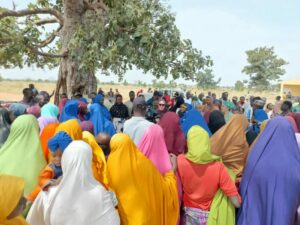
Speaking yesterday at the end of a two-day visit by a delegation from Global Affairs Canada to the state, Dr. David Audu, Health Specialist with UNICEF Nigeria’s Bauchi Field Office, said the team had the opportunity to witness some of the challenges facing healthcare delivery, particularly in hard-to-reach communities.
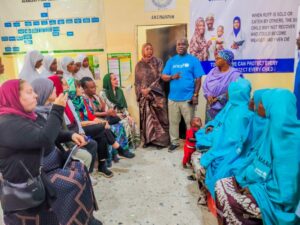
“You accompanied us and saw some of the hard-to-reach communities we visited. Some of these communities have enormous needs, while certain healthcare facilities are in poor condition and require rehabilitation and improvements,” he said.
Audu also acknowledged the commitment of healthcare workers, many of whom, despite heavy workloads and large numbers of patients, continue to report for duty and provide services to communities.
“Some of them are doing their best, reporting to work every morning and working until evening despite their heavy workloads and the large number of patients they attend to,” he added.
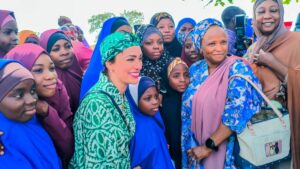
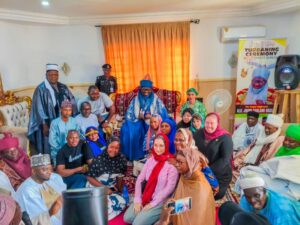
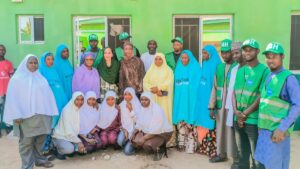
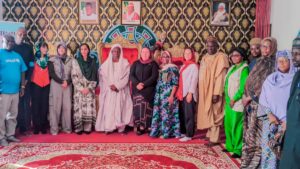
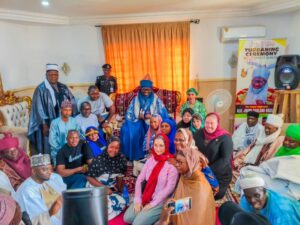
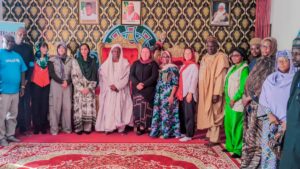
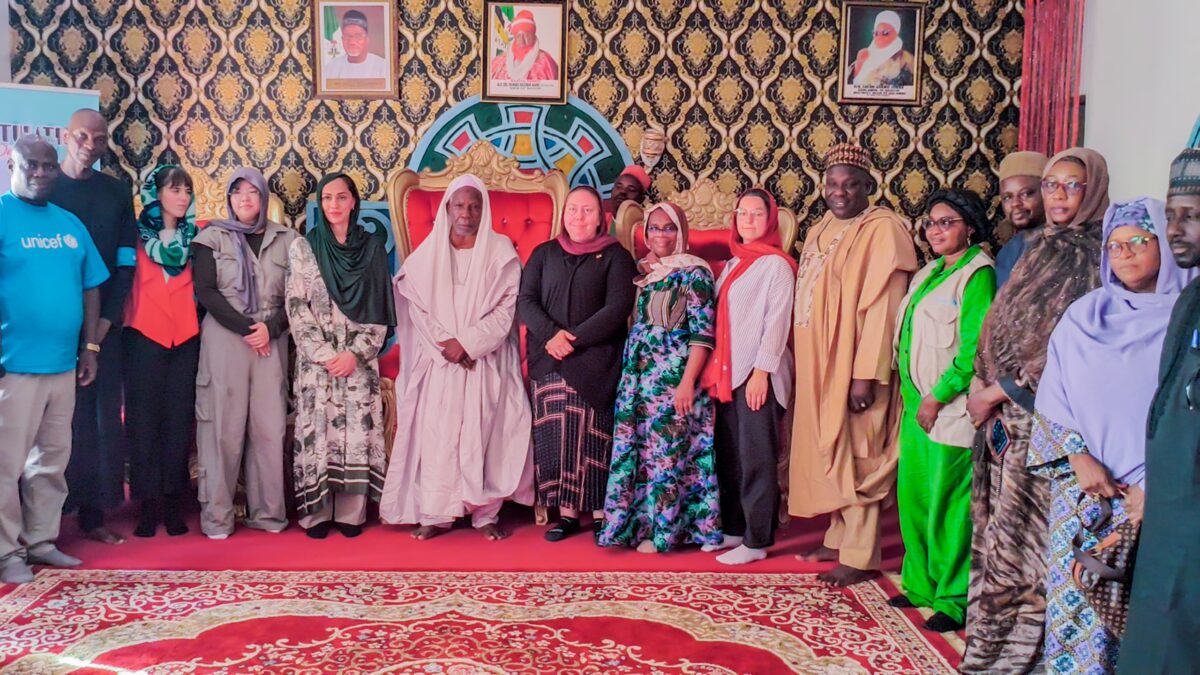
The Global Affairs Canada delegation, led by Chloé Simard, Senior Analyst with the organisation based in Ottawa, visited Bauchi to assess the state’s healthcare sector and witness firsthand the progress and impact of development interventions being implemented in partnership with UNICEF and the state government.
Audu expressed satisfaction with the visit, saying it provided an opportunity for the delegation to interact with community members, healthcare providers and beneficiaries of various capacity-building programmes.
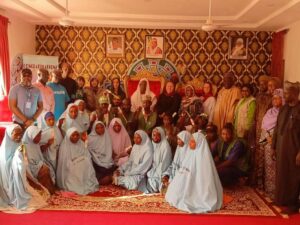
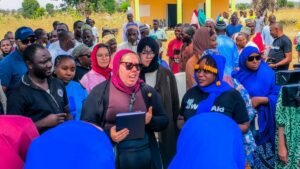
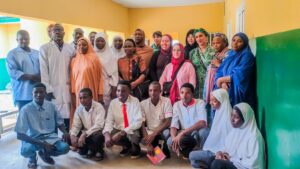
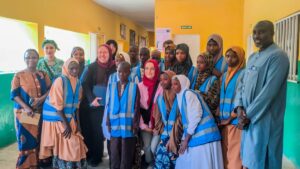
He said the delegation visited healthcare facilities, engaged health workers who had benefited from training programmes, particularly on the SBVC bundle, and interacted with adolescents participating in adolescent clubs across some local government areas.
“We have seen evidence of impact, and the objectives set by Global Affairs Canada for Bauchi State, with the support of UNICEF, are gradually being achieved,” he said.
According to him, the interventions are expected to significantly improve people’s lives by reducing preventable deaths and strengthening sustainable local capacity within the health system.
“Ultimately, we expect these efforts to contribute to improved health indicators in Bauchi State and Nigeria, particularly in reducing maternal and neonatal mortality,” he said.
On the difference between the current visit and the delegation’s previous visit to the state, Audu explained that the earlier engagement focused mainly on reviewing and concluding activities implemented in 2025, while the latest visit was centred on the 2026 programmes.
He said the delegation was impressed by the progress recorded during its previous visit, which informed its decision to return to assess ongoing interventions.
“For UNICEF, this particular visit has focused more on the adolescent and gender-related interventions we are implementing. We have had the opportunity to showcase the progress made in these areas,” he said.
Audu added that UNICEF would engage with the state government after the visit to present its observations, develop action points and agree on the next steps towards strengthening healthcare delivery.
He expressed optimism that the experience and lessons from the visit would help partners consolidate their interventions and achieve set targets in 2027.
For her part, Chloé Simard, Senior Analyst with Global Affairs Canada, emphasised the importance of investing in healthcare as a foundation for economic growth, sustainable development and improved community well-being.
READ ALSO:
- Nigeria, India Partner To Tackle AI-Driven Human Rights Abuses
- Nigeria, India Partner To Strengthen Human Rights Protection, Justice Delivery
- Sowore’s Trial: INEC Challenges Court Order For Tinubu’s 1999, 2023 Election Records
She said Nigeria remained a priority country for Canada under its Africa Strategy, which provides the framework for the country’s engagement and cooperation with African nations.
According to Simard, the strategy focuses on strengthening partnerships and exploring opportunities to achieve shared prosperity through collaboration.
She noted that investments in healthcare, alongside broader socioeconomic development, were essential to building healthy and resilient populations, which are critical to sustainable economic growth and prosperity.
“We are also keen to see stronger collaboration among development partners and state governments because we believe that state ownership is crucial to ensuring the sustainability of development investments,” she said.
Simard reaffirmed Canada’s commitment to supporting initiatives aimed at improving health outcomes and promoting community well-being in Bauchi State.
Also speaking, Rasmata Barry, Senior Development Officer with Global Affairs Canada in Abuja, described Nigeria as a priority country for Canada’s international development cooperation, particularly in the health sector, identifying Bauchi as one of the major areas of focus.
Barry added that, “As we explore ways of working together with our partners to effectively implement the Canada-Africa Strategy, we consider it important to take time to engage with stakeholders, understand the progress being made and assess the impact of our interventions on the ground.”
She identified gender equality as a major component of Canada’s development investments, disclosing that the delegation included a gender specialist who would provide technical guidance and ensure that gender considerations were integrated into development programmes.
Barry also said environmental sustainability remained an important consideration in the implementation of Canada’s development projects.
She stressed the need to address the effects of climate change and ensure that environmental concerns were adequately integrated into development interventions.
According to her, the visit would enable the delegation to gain a better understanding of the challenges confronting Nigeria’s healthcare sector and identify strategic areas where development partners could channel their interventions and investments for meaningful and sustainable results.
For it part, the Bauchi state government has assured development partners and other stakeholders that it would carefully consider and work towards implementing recommendations and suggestions arising from their visit to the state.
The State Commissioner for Health, Dr. Sani Muhammad Dambam, said Governor Bala Mohammed remained committed to improving the health and well-being of residents through sustained investments and strategic interventions in the health sector.
He said the administration had prioritised healthcare delivery through various reforms and initiatives designed to address the healthcare needs of the people and strengthen the state’s health system.
He further explained that the government had embarked on the rehabilitation, upgrading and improvement of healthcare facilities across the three levels of healthcare delivery including primary, secondary and tertiary.
Dambam added that the state government had continued to support development partners, organisations and other stakeholders working to improve healthcare services and the overall well-being of residents.
He noted that Bauchi State had also demonstrated its commitment to various health programmes through counterpart funding and other financial contributions, including support for ongoing healthcare projects, completion grants and family planning interventions.