

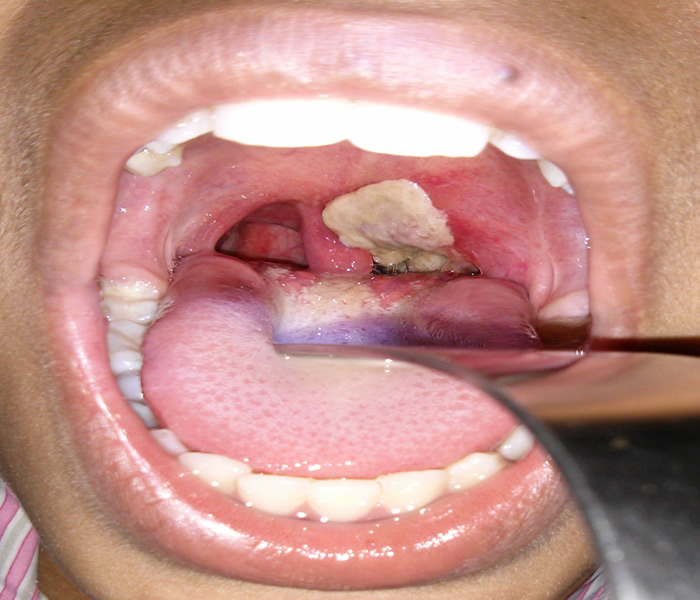
More than 1,260 people have died from diphtheria in Nigeria since the outbreak began in late 2022, with over 41,000 suspected cases and more than 24,000 confirmed infections recorded nationwide.
Médecins Sans Frontières (MSF), also known as Doctors Without Borders, disclosed this in a press statement issued by its Field Communication Officer, Abdulkareem Yakubu.
The organisation warned that shortages of diphtheria antitoxin (DAT) and low vaccination coverage were worsening the outbreak, particularly in northern Nigeria, putting thousands of children at risk of severe illness and death.
According to the statement, Nigeria recorded 12,977 suspected cases, 10,476 confirmed infections and 406 deaths in 2026 alone, as of August 9.
It identified Bauchi, Borno, Kaduna, Katsina, Kano, Plateau, Sokoto and Zamfara among the northern states particularly affected by the outbreak.
MSF Medical Coordinator in Nigeria, Dr David Kizito, said the global shortage of diphtheria antitoxin was becoming a matter of life and death, warning that the organisation’s available stocks were dangerously low.
He explained that DAT was the only specific treatment capable of neutralising the toxin produced by the disease and was most effective when administered within 48 hours of the onset of symptoms.
The organisation said inadequate supplies had forced medical teams to ration treatment, potentially compromising the survival chances of patients.
MSF called on federal and state governments, donors and international partners to urgently secure available supplies of antitoxin, vaccines and other essential medicines, while ensuring their timely clearance at ports and distribution to affected communities.
In Katsina State, MSF teams managed 86 diphtheria cases between October 26 and November 12, including 70 severe and 16 non-severe cases.
During the same period, the organisation reached 1,315 contacts through facility-based activities and contact tracing, with 1,301 vaccinated and 1,311 provided with antibiotic prophylaxis.
READ ALSO:
- Obi’s Disrespect For National Anthem Shows He Is Unfit To Lead Nigeria — Wike
- Foreign Investors Capital Critical To Accelerate Nigeria’s Gas Development– MDGIF
- Between Jeddah And Makkah – Nigeria’s Test Of Competence
The organisation said it had treated more than 9,000 diphtheria patients through facility and community-based interventions since the beginning of its response this year.
It has also supported state health authorities with treatment, infection prevention and control, disease surveillance, community engagement, referral systems, vaccination and medical supplies.
In Zamfara State, following the declaration of an outbreak in September, MSF-supported facilities in Gusau recorded more than 671 admissions within a month from October 6, with most patients being children.
The organisation disclosed that four out of every five patients admitted during the period had not been vaccinated.
It further revealed that only 25,000 of the 90,000 vaccine doses required for a reactive vaccination campaign in Zamfara had been supplied, leaving a significant number of children unreached.
In Sokoto State, MSF supported two vaccination rounds between February and April, reaching 49,018 children below the age of 15.
It also reported that its intervention in Bauchi State helped reduce the diphtheria case fatality rate from 8.7 per cent to one per cent after treating at least 1,890 suspected patients between August 2025 and May 2026.
MSF stressed that sustained investment in routine immunisation was essential to preventing future outbreaks, urging vaccine manufacturers and global health partners to expand diphtheria antitoxin production and guarantee reliable supplies.
Diphtheria is a potentially fatal but vaccine preventable bacterial disease transmitted mainly through respiratory droplets and contact with infected wounds. It can cause breathing difficulties and damage to the heart, nerves and kidneys.
The organisation warned that without appropriate treatment, between 30 and 40 per cent of people infected with diphtheria could die.

