

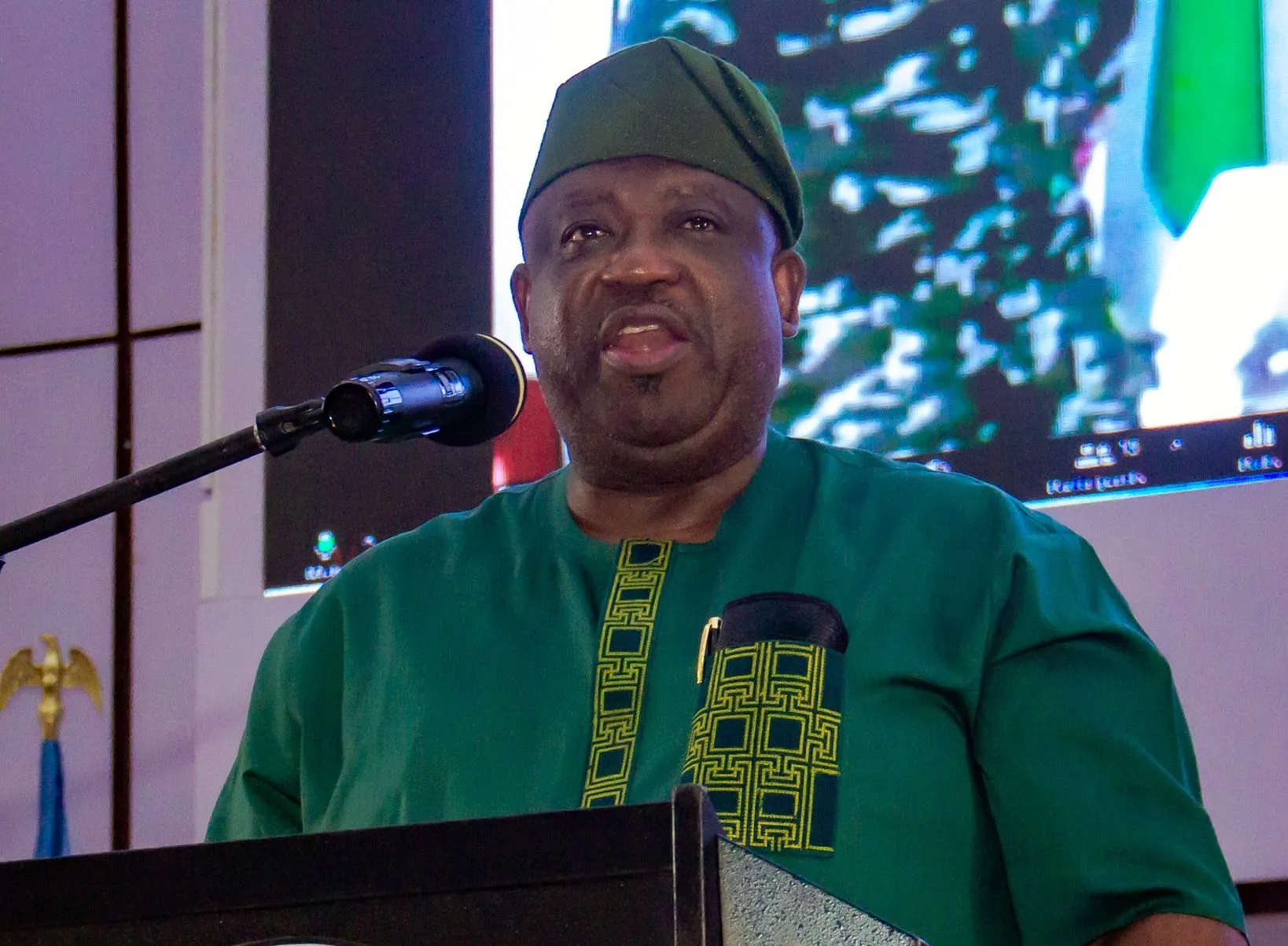
Governor Caleb Manasseh Mutfwang has emerged as a defining figure in Plateau State’s contemporary political landscape, pursuing an ambitious development agenda focused on peace, infrastructure, economic growth and improved welfare since assuming office on May 29, 2023.
A former chairman of Mangu Local Government Area, Mutfwang brought grassroots governance experience to the governorship. He inherited a state facing insecurity, infrastructure deficits, salary and pension backlogs, and declining confidence in public institutions. Despite these challenges and political uncertainties, he has pursued his development philosophy under the slogan, “The Time is Now.”
Security remains central to his administration’s agenda. Following years of violent conflicts that devastated communities and livelihoods, the government strengthened collaboration among security agencies, revitalised the state-owned Operation Rainbow and promoted community participation in intelligence gathering and early-warning systems. These measures aim to restore confidence and create an enabling environment for investment and development.
The administration has also introduced interventions to ease economic pressures arising from the removal of fuel subsidies. Through the Metro Bus Scheme, residents have gained access to more affordable transportation. Collaboration with the Nigerian Railway Corporation has also supported the resumption of rail services, while improved flight connections have strengthened Plateau’s links with Abuja and Lagos.
In aviation, the government signed a Memorandum of Understanding with the Federal Airports Authority of Nigeria to upgrade Yakubu Gowon Airport into an international cargo airport. The project is expected to facilitate agro-exports and connect the state’s agricultural produce with wider markets.
Tourism is another priority. The revival of the iconic Hill Station Hotel in Jos, backed by an ₦8.5 billion investment, is expected to enhance hospitality services. Investments in the Jos Wildlife Park are similarly intended to strengthen eco-tourism and restore Plateau’s reputation as a destination for leisure and conferences.
Infrastructure development has featured prominently, with road construction and rehabilitation across the Jos-Bukuru metropolis and other communities. Improvements in water supply and rural electrification are also part of efforts to enhance living standards.
In healthcare, the administration has upgraded Plateau Specialist Hospital, completed a modern diagnostic laboratory and expanded medical departments. Recruitment of consultants and investment in equipment have supported service delivery. The revitalisation of the Plateau State Contributory Healthcare Management Agency has also widened access, particularly among rural residents.
READ ALSO:
- Security-driven Monday Okphebolo Emerges Governor Of The Year
- ‘She Followed You Through Poverty’ — Kwankwaso’s Daughter Takes On Kano Governor Over Sister’s Marriage Crisis
- Makinde Approves N500,000 Bursary For 5,000 Final Year Oyo Students
Education has received attention through interventions at Plateau State University, Bokkos, Plateau State Polytechnic and basic education institutions. Investments in classrooms and other facilities, alongside improved teacher welfare, have supported the sector. The government has also employed 500 teachers under the HOPE-EDU initiative.
Agriculture remains a major pillar of the administration’s economic strategy. More than ₦30 billion has reportedly been committed to the sector, with interventions covering mechanisation, improved seeds, fertilisers, agrochemicals and agricultural insurance. Farmers across the state’s 17 local government areas have benefited from these programmes.
The government is also strengthening the potato value chain through certified seeds and a potato tissue culture laboratory in Mangu. Rural road construction is expected to improve access to farms and markets, while investments in livestock infrastructure are designed to expand commercial opportunities.
These include a 500-cattle-per-day ultra-modern abattoir at Pwomol Village, Heipang, and a Veterinary Teaching Hospital in Barkin Ladi. Supported by the Livestock Productivity and Resilience Support Programme, the projects are expected to improve food safety, create employment and modernise livestock production.
Politically, Mutfwang’s journey has also attracted attention amid speculation about his possible defection from the Peoples Democratic Party. The development generated resistance among some APC stakeholders concerned about existing party structures and political interests ahead of the 2027 elections.
Nevertheless, his administration’s development agenda reflects an attempt to reposition Plateau as a state driven by peace, agricultural productivity, tourism and economic opportunity.
While challenges remain, Mutfwang’s emphasis on infrastructure, security, education, healthcare and enterprise development demonstrates an ambition to restore public confidence and build a more prosperous Plateau.
Through the “The Time is Now” agenda, the governor is seeking to translate the state’s considerable potential into tangible improvements in the lives of its people.

