

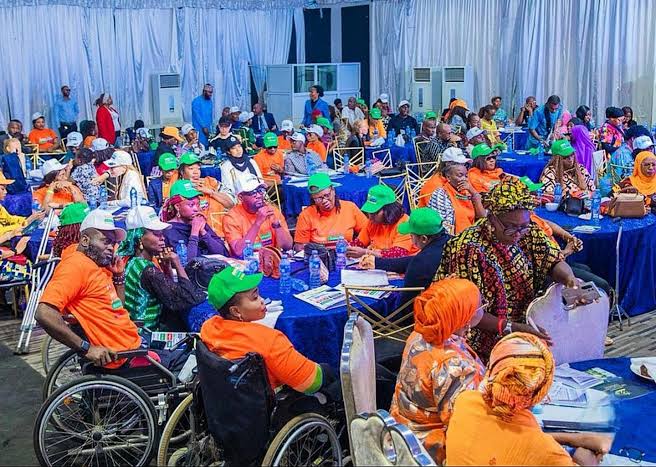
As Nigeria expands its digital economy, stakeholders have called for stronger policies and practical measures to ensure persons with disabilities can access and benefit from online services, digital platforms and emerging technologies.
The call was made at the third edition of the Centre for Inclusive Development’s (CID) What Next Learning Series in Abuja, organised in partnership with the Disability Rights Fund and with support from MTN Nigeria.
The event was themed “Disability Inclusion in Nigeria’s Digital Economy”.
The co-founder of CID, Yauri Aduak, said the series was designed to move conversations beyond awareness and commitments to practical solutions and measurable changes.
Aduak said Nigeria’s digital transformation was creating opportunities in banking, e-commerce, education, employment, communication and access to public services, but stressed the need to ensure that persons with disabilities could benefit equally.
She urged stakeholders to translate discussions into practical actions, saying the success of the engagement would be measured by what participants did differently afterwards.
READ ALSO:
- Stakeholders Demand Girls’ Civic Inclusion as Claire Idoko Launches ‘Every Girl Is an Advocate’
- NIS Bans Unauthorised Coaching Courses, Directs Federations To Seek Approval
- African Ministers Seek Common Front Against Misinformation
Speaking during an interview, Theophilus Odaudu, Programme Officer for Sub-Saharan Africa at the Disability Rights Fund, said digital inclusion meant ensuring that everyone could access and benefit from digital products and services without difficulties or dependence on third parties.
He said persons with disabilities faced different barriers when accessing digital platforms, noting that blind persons often encountered inaccessible websites, unlabeled buttons and images without descriptions, while deaf persons needed captioned videos to access digital content.
“We do not have a standard that mandates developers and technology companies to ensure disability inclusion and accessibility in their products from inception,” he said.
He called on government institutions to strengthen enforcement, create opportunities for persons with disabilities to participate in decision-making and ensure their rights were reflected in policies.
In her remarks, delivered by the Head of Customer Operations and Experience, North, Chikaodi Ofoegbu, MTN Nigeria’s Chief Human Resource Officer, Esther Akinnukawe, said the company was committed to promoting disability inclusion in its workforce and digital skills initiatives.
She disclosed that, as of December 2025, persons with disabilities accounted for more than two per cent of MTN Nigeria’s workforce, adding that the figure continued to grow.

