

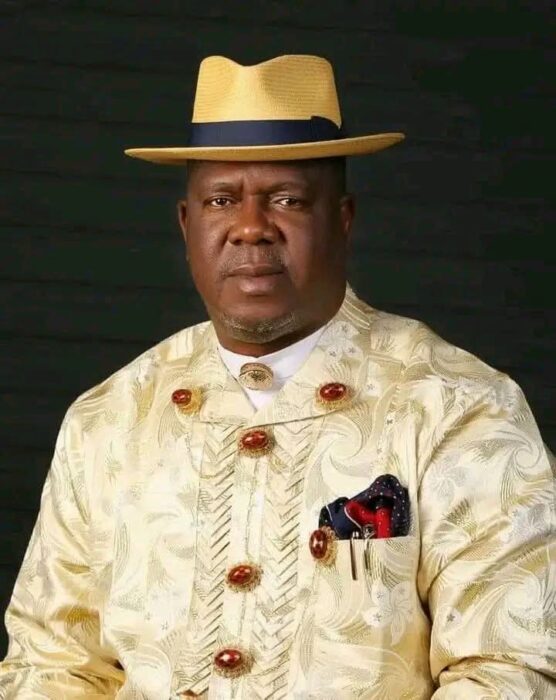
The National Chairman of the Nigeria Democratic Congress (NDC), Moses Cleopas, has urged Nigerians to use the 2027 general election to judge the performance of the President Bola Tinubu-led administration, saying the worsening economic hardship and insecurity should influence their voting decisions.
He spoke on Friday in Yenagoa during a celebration marking his 57th birthday, where he called on Nigerians to support the NDC presidential candidate, Peter Obi, in the forthcoming election.
The former Bayelsa Central senator said the rising cost of living had placed a heavy burden on families, making it increasingly difficult for ordinary Nigerians to meet their basic needs.
He cited complaints from his wife and children about the increasing cost of running the household and meeting educational expenses, saying the economic situation had become a concern even for families that previously managed their finances comfortably.
According to him, a second-term election should be a test of an incumbent government’s performance rather than an opportunity for politicians to rely on party loyalty, religious sentiments or financial inducements.
“Second-term election is a referendum. It is standing on the leg of your previous performance. If you have done well, they give you another mandate. If you have not done well, they ask you to go home,” he said.
He also criticised the government’s handling of insecurity, particularly the killings and abductions of citizens, including schoolchildren, saying the protection of lives and property remained a fundamental responsibility of government.
The NDC chairman recalled that during his time in the Senate, lawmakers from different parts of northern Nigeria frequently reported attacks and killings in their communities, including the deaths of women and children.
He said Nigerians should show concern for victims of insecurity across the country, regardless of whether the attacks occurred in their immediate communities.
On the political atmosphere ahead of the 2027 elections, Cleopas accused some politicians of using money and public resources to influence voters and weaken opposition parties.
READ ALSO:
- UK: Four Men Convicted Of Sexually Abusing Woman Drugged By Husband For 13 Years
- FG Warns Of Health Funding Gap As US Plans Exit Within 5 Years
- Davido To Give Nigerians Start-Up Funds For Birthday

He particularly criticised alleged plans by a political figure in Bayelsa to offer N50,000 to voters, describing the reported move as an insult to the electorate.
He warned public office holders against using government resources for political campaigns, insisting that those entrusted with public funds must be accountable to the people.
On the NDC’s prospects in Bayelsa, the former senator expressed confidence that the party would attract considerable support, particularly among young people, whom he said were increasingly identifying with its political platform.
He, however, ruled out violence as a means of securing political power, urging the state government to guarantee the safety of opposition candidates and their supporters.
“Violence is not part of constitutional democracy. It is alien to democracy. It is the responsibility of the ruling government to provide security,” he said.
Cleopas said the NDC had adopted the practice of notifying security agencies before holding political activities to ensure adequate protection for its members and supporters.
He also accused the ruling party of attempting to disrupt opposition campaigns by organising competing political events in communities where the NDC had scheduled engagements.
The NDC chairman urged Nigerians across political divides to participate in the 2027 elections, mobilise their families and resist attempts to buy their votes.
Reflecting on his emergence as national chairman, Cleopas attributed his political journey to divine providence, loyalty and service, saying he had not actively pursued the political positions he eventually occupied.
He described Dickson as a political mentor who taught him that political power was temporary and that public office holders should prioritise integrity, performance and service to the people.

