

The Centre for Safety Heritage has called on Nigerian media organisations and journalists to embrace nationalism and patriotism in their reportage, particularly on defence and security matters, without compromising professional ethics or their responsibility to hold public institutions accountable.
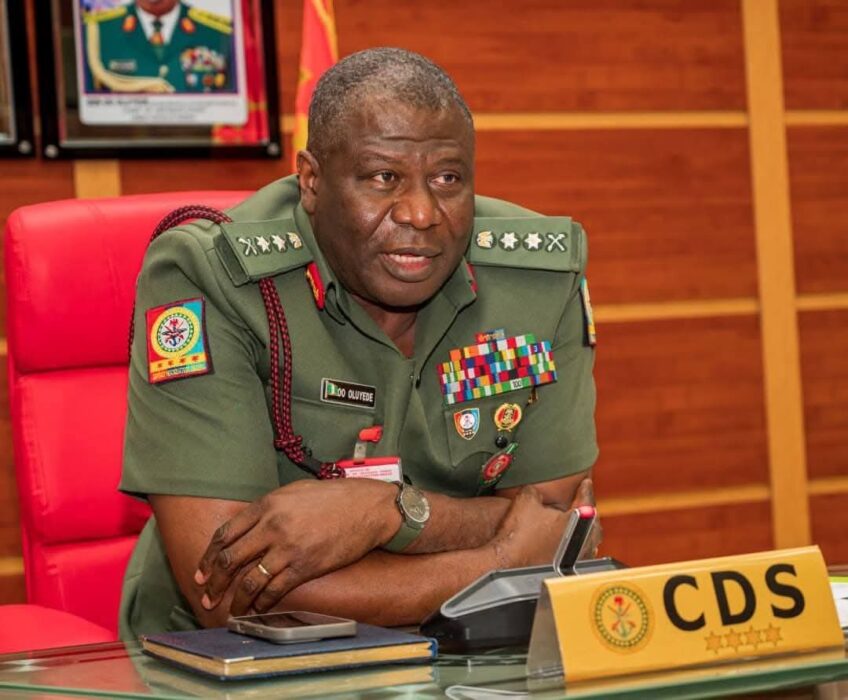
The organisation made the call while commending the Defence Headquarters (DHQ) for organising the two-day Defence Headquarters Strategic Communication Workshop 2026, describing the initiative as timely and reflective of the commitment of the Chief of Defence Staff (CDS), General Olufemi Oluyede, to promoting forthright, transparent and effective communication with the media.
CDS Calls For Military Dialogue, Mutually Beneficial Partnerships For Global Peace
The workshop, which commenced on Tuesday, November 24, 2026, in Abuja, is themed: “Enhancing Strategic Collaboration Between Spokespersons of Security Agencies and Media Stakeholders for Accurate and Responsible Reportage Towards Improved National Security.”
In a statement issued on Wednesday, the Convener of Safety Heritage, Mr Ikechukwu Okwu, said responsible journalism must recognise the implications of security reporting for national stability, public confidence and the safety of military personnel and civilians.
He maintained that nationalism in reportage should not be misconstrued as suppressing the truth, abandoning investigative journalism or shielding security institutions from legitimate scrutiny, but should encourage balanced reporting that takes the broader national interest into consideration.
According to him, journalists must go beyond reporting security challenges to give appropriate attention to the efforts, operational successes and sacrifices of personnel working to protect the country.
Okwu said the media plays a critical role in shaping public understanding of the security situation, warning that sensationalism, unverified reports and the indiscriminate circulation of misinformation could undermine public confidence and inadvertently serve the interests of criminal elements.
READ ALSO:
- Kano Hosts North-West Journalists’ Summit On Safety, Security
- Enugu Warns Residents Against Fraudulent Tax Demands, Disowns N1.5m Property Bills
- Gov. Yusuf Declared Open, NAWOJ 37th National Delegates Conference In Kano
He particularly urged journalists to exercise caution in publishing sensitive operational information, including troop movements, military locations and operational capabilities, which could endanger personnel or compromise ongoing military operations.
It commended the CDS for providing a platform for improved interaction between military spokespersons, security agencies and media stakeholders, noting that timely access to accurate and credible information was essential to countering misinformation and strengthening public trust.
Safety Heritage also called on the military and other security agencies to sustain the openness demonstrated through the workshop by providing prompt, factual and verifiable information on security developments.
It observed that delayed communication and information gaps often create opportunities for speculation, false narratives and the spread of misleading reports, particularly through social media platforms.
The organisation further urged media practitioners to strengthen their capacity to identify artificial intelligence-generated images, videos and audio recordings, stressing that the increasing sophistication of manipulated content makes information verification more important than ever.
Okwu said the fight against insecurity required collective responsibility, adding that the media, military, civil society organisations and citizens must work together to promote national security.
He expressed confidence that the two-day Defence Headquarters Strategic Communication Workshop 2026 would strengthen mutual understanding, improve information management and establish a more sustainable framework for cooperation between the security community and the media.
Safety Heritage reaffirmed its commitment to promoting responsible journalism, national security awareness, national unity and constructive civil-military relations.

