

Despite the instability in the world’s oil markets brought on by rising geopolitical tensions in the Middle East, the Federal Government has said that it will not step in to control gas prices.
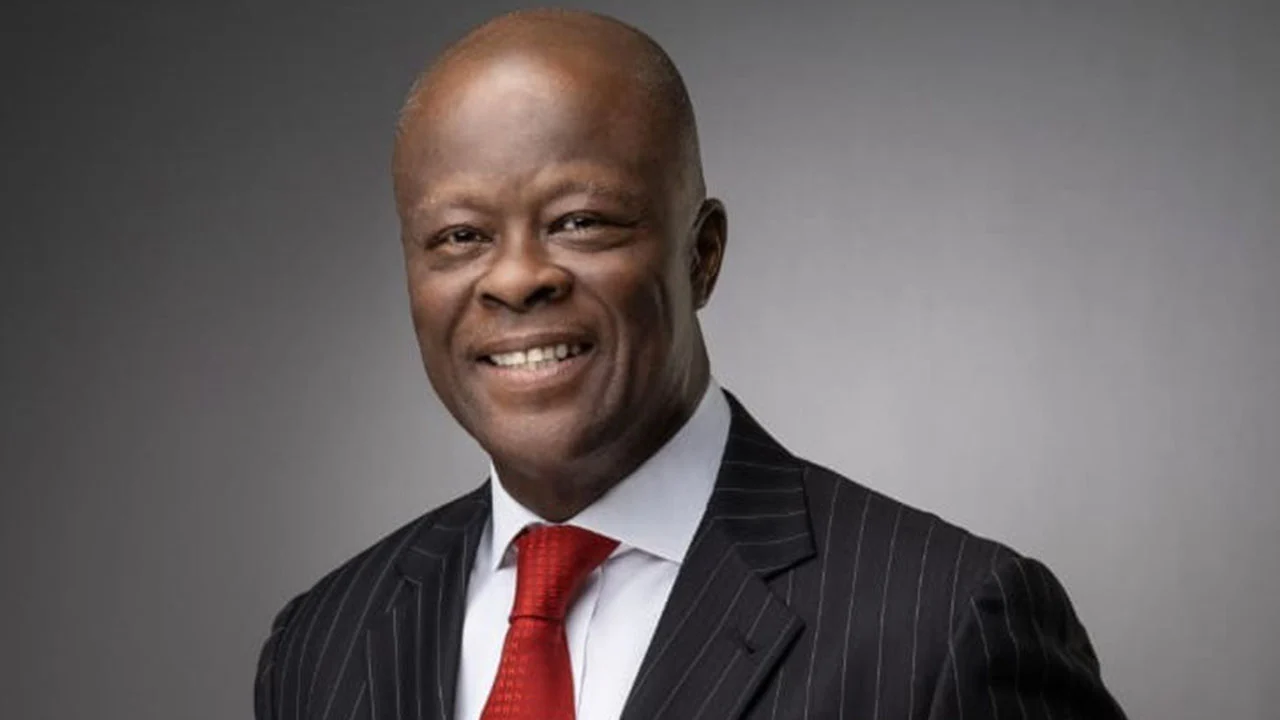
In an interview with Channels Television on Wednesday, Wale Edun, the Minister of Finance, said that the government would instead implement policies to lessen the impact of growing energy prices on Nigerians.
Instead of intervening with the market-driven pricing of petroleum products, Edun stated that the government will take steps like increasing the usage of compressed natural gas for automobiles.
He claims that President Bola Tinubu has already authorized the distribution of an additional 100,000 compressed natural gas conversion kits to assist drivers in making the move from gasoline to CNG.
He clarified that CNG is a more cost-effective option because it only costs 25 to 30 percent of the price of gasoline.
“When there is market failure, the regulator steps in,” Edun stated. However, we are trying to manage the disturbance in order to balance pricing, and we are unsure of how long-term or short-term it might be.
“But in the meantime, we’ll look at every other measure that we have that can help the cost of living for Nigerians, rather than going back and taking backward steps.”
Significant volatility has been brought on by the Middle East conflict in the world oil markets.
On March 9, crude oil prices reached their highest level since July 2022—above $100 per barrel—before falling to $87 the next day.
Nigeria’s crude oil and gas prices, capital flows, financial markets, and international logistics and supply costs might all be impacted by the violence, according to a previous warning from the Ministry of Finance.
Pump prices have increased nationwide as a result of the jump in crude oil prices and rising ex-gantry petrol costs.
Fares on several main routes have reportedly doubled as a result of this increase in transportation costs.
Edun pointed out that the Dangote refinery and other private sector companies had changed their prices to match current market conditions.
The Dangote refinery lowered its ex-gantry petrol price to N1,075 per litre on Tuesday following three previous price rises.
Filling station pump costs are still high in spite of the decrease.
In response to the development, Edun stated that under the government’s market-based pricing strategy, the variations were a natural component of market dynamics.
“Dangote lowered their price from, I believe, about N1,200 to just over N1,000 to N1,050, and that’s the dynamics of the market,” he stated.
“But right now, I believe we should be grateful for Nigeria’s ability to refine crude into petrochemicals and petroleum products.”
Nigeria’s current energy sector resilience, according to the minister, is primarily the result of increasing local refining capacity, especially through private sector investments.
Aliko Dangote, President of the Dangote Group, whose refinery has started distributing petroleum products locally, was specifically thanked for his efforts.
To guarantee a consistent supply of petroleum products, Edun continued, Nigeria must assist its own refiners.
Just now, America is racing to build another refinery. Without that ability, Pakistan and Thailand are practically shutting down their economies, society, schools, and sending people home,” he stated.
In the meantime, the African Democratic Congress has called on the Federal Government to impose a temporary petrol price cap in order to stop future hikes that would make Nigerians’ cost of living worse.
According to the party, the cap should have a time limit and be intended to safeguard consumers in the current unstable global energy situation.

