

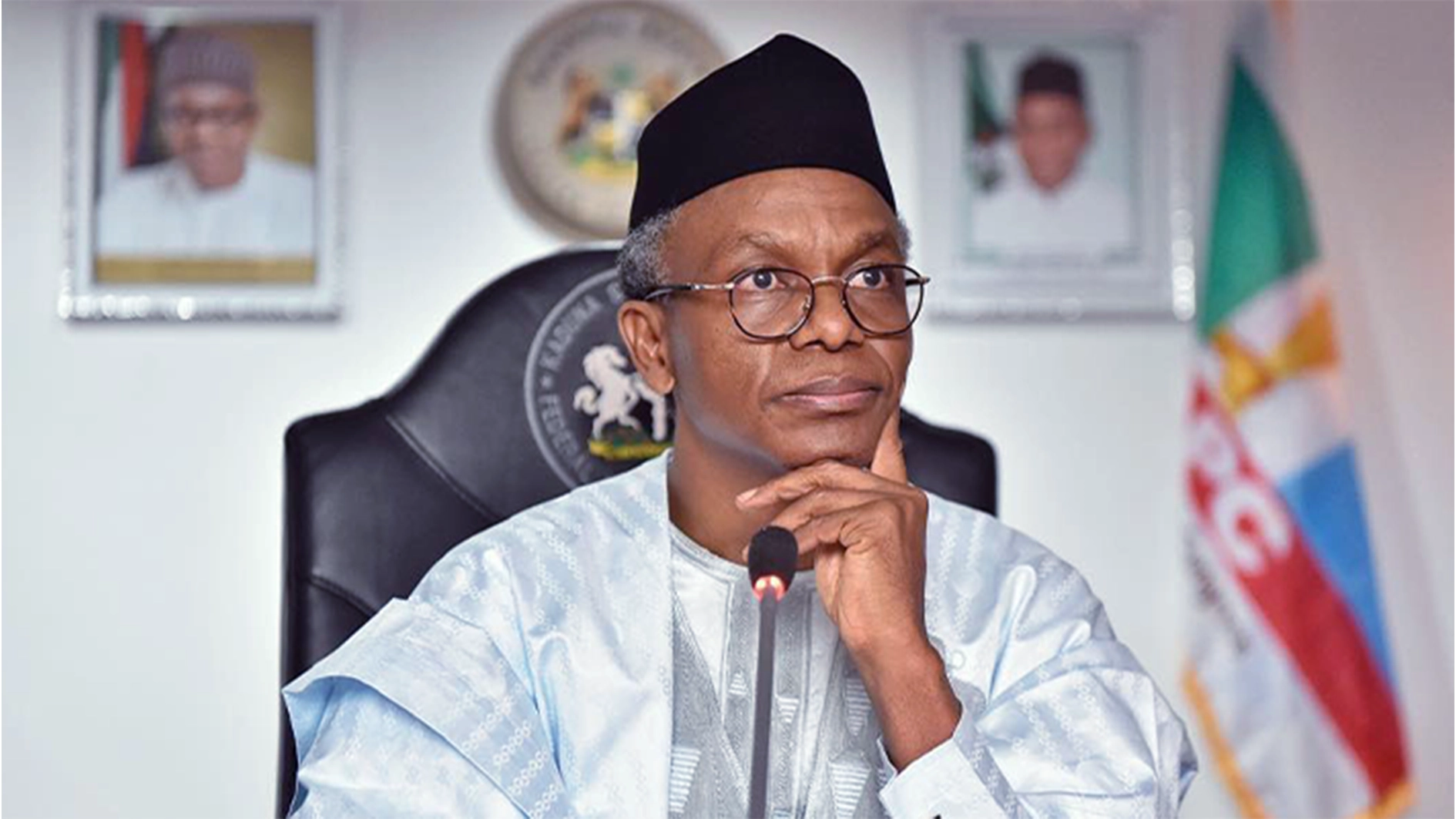
In the current trial of former Kaduna State Governor Nasir El-Rufai, the prosecution explained to the Federal High Court in Abuja on Tuesday why the defendant was transferred from the Independent Corrupt Practices and Other Related Offenses Commission (ICPC) to the Department of State Services (DSS).
According to reports, El-Rufai is charged on five counts for allegedly admitting to listening in on phone calls with Nuhu Ribadu, the National Security Advisor, during a television interview.
Oluwole Aladedoye (SAN), lead prosecutor, informed the court that El-Rufai’s family members’ alleged disruptive behavior was the reason for the move.
Aladedoye said that one of the former governor’s wives allegedly showed up to the ICPC facility on May 15 with cameramen and livestreamed allegations that her husband was being denied access to family members and meals.
He added that security services sent El-Rufai to DSS custody in order to prevent more controversy, and he accused lawmaker Timi Frank of spreading allegations that suggested El-Rufai might be hurt while in detention.
The prosecution also accused El-Rufai’s family of using the media to paint the case as political persecution and criticized the terms of the bail that was granted to him.
In response, defense attorney E.E. Ekere contended that the defendant should not be held accountable for remarks made outside of court and denied being aware of the accusations.
In response, Justice Joyce Abdulmalik stated that she ignored social media narratives and recommended that internet disputes stay outside of judicial proceedings.
Witness Testifies During a Call Interception
El-Rufai gave Arise Television a 43-minute interview, which the court took into evidence throughout the trials.
The prosecution’s witness, APC, said the court that the National Security Adviser was questioned by investigators, who verified that the discussion El-Rufai had mentioned had actually occurred.
After watching parts of the interview, the witness claimed that the ICPC chairman also acknowledged speaking with the NSA about the issue.
During cross-examination, the witness acknowledged that no forensic investigation of the purported interception, IP address collection, or communication device examination was done by investigators.
However, El-Rufai consistently maintained that the conversation had been recorded and sent to him, according to the witness.
The matter was then postponed till June 22 and 23 by Justice Abdulmalik.

