If the nation’s current interception and surveillance laws are not adequately examined by lawmakers, the Socio-Economic Rights and Accountability Project (SERAP) has warned that they may be used against citizens and government critics.
Kolawole Oluwadare, the Deputy Director of SERAP, expressed the worry in an appearance on Arise Television on Monday, calling for increased openness and public involvement in the creation of such legislation.
According to reports, Oluwadare’s remarks came after former Kaduna State Governor Nasir El-Rufai claimed that he and another person had eavesdropped on a phone call involving National Security Advisor Nuhu Ribadu.
Since then, there has been more discussion over the extent and supervision of the monitoring powers given to security agencies as a result of the former governor’s allegations.
“Regulations Must Be Heard by the Public”
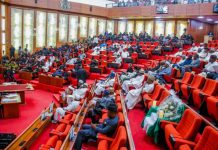
In response to the uproar, Oluwadare emphasized that broad-ranging rules need to go through a rigorous legislative procedure that includes public hearings.
Given its weight and authority, this type of regulation need to be subject to both public hearings and the legislative process. Nigerians’ rights will be severely curtailed by these rules,” he stated.
Considering that there are still issues with ambiguous language, inadequate protections for civil liberties, and the possibility of misuse, he contended that the current framework for interception may not be required in its current form.
Concerns about the way security agencies use their interception powers were voiced by the deputy director of SERAP.
“It is unclear how agencies like the Office of the National Security Adviser or the DSS use these powers, raising concerns that they might be used against government critics or civilians,” he said.
In his view, laws of this size, particularly those that have the potential to affect basic human rights, ought to be closely examined by lawmakers to make sure they balance civil liberties with national security.
Oluwadare underlined that his stance is merely in favor of an interception framework that conforms to global best practices, not in total opposition to one.
He clarified, “This position does not oppose an interception framework in its entirety, but rather recommends that it be consistent with models in other jurisdictions, incorporating strong safeguards as envisioned in existing legal frameworks.”
Oluwadare went on to say that including the public will improve accountability and make such legislation more effective at combating insecurity without compromising democratic freedoms.