
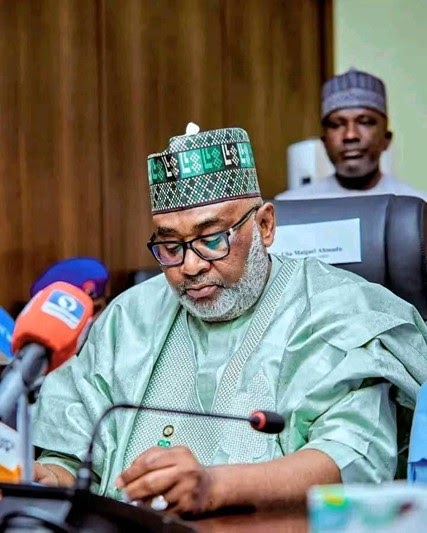
Six billion naira has been authorized by the federal government to build three mega schools in Gombe State.
During the opening of a 250-bed hostel built by the North East Development Commission (NEDC) in Kumo, the headquarters of the Akko Local Government Area, Regional Development Minister Alhaji Uba Ahmadu made this announcement.
The minister stated that the NEDC is responsible for building the three schools.
According to the Nigerian News Agency (NAN), the three mega schools will be situated in Kaltungo (Gombe South Senatorial District), Dukku (Gombe North Senatorial District), and Dadin Kowa (Gombe Central Senatorial District).
The intervention is a component of a larger plan to improve the appeal, accessibility, and competitiveness of education, especially in areas that have had years of developmental difficulties, the minister said.
In order to catch up to national standards and close the educational gap between the Northeast and other regions of the country, he emphasized that education is still crucial.
“The goal of the federal government is to create contemporary learning environments that motivate students and enhance academic performance,” Ahmadu stated.
According to NAN, the mega schools include all the facilities and amenities that students need, including comfortable housing, which the minister said will greatly improve pupils’ focus and academic performance because of the convenient and encouraging environment.
Ahmadu went on to praise the Gombe State Government’s efforts and its partnership with the NEDC in maintaining the affordability and appeal of education in the state for all prospective students.
He referred to the collaboration as a paradigm for regional development and sustainable educational advancement.
Mega schools in Nigeria are state-led projects aimed at constructing sizable, contemporary, and fully furnished educational facilities, frequently with ICT labs, libraries, and classrooms intended to improve infrastructure and educational quality, according to NAN.
These initiatives, especially in Northern Nigeria, are designed to give thousands of students—including orphans and internally displaced people—safe learning conditions.