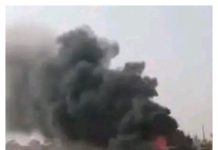
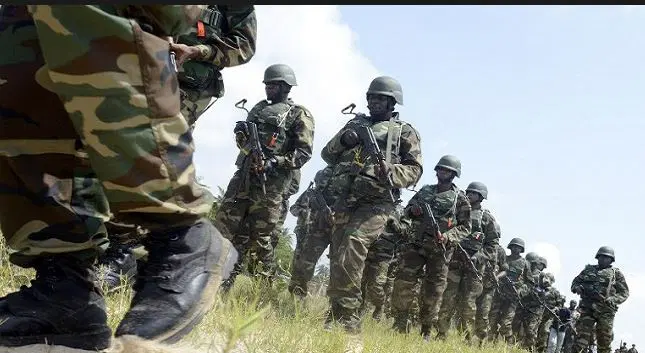
Following a fatal altercation connected to illicit mining operations, Nigerian Army troops have prohibited Kingsley Arikpo, the Chairman of Obubra Local Government Area, from entering the Odonget community.
The hamlet is currently under occupation by soldiers from 13 Brigade and 245 Battalion, Edor Barracks in Ikom, following an altercation between local youths and suspected illegal miners.
According to reports, the involvement sparked an altercation between the forces and the young people in which two soldiers were reportedly murdered, four residents were reportedly killed, and numerous others were injured.
Since March 11, 2026, the situation has compelled locals to escape into neighboring towns including Ochon, Iyamoyom, and Alesi.
Residents who have been displaced have also claimed that they have been denied entry to the neighborhood, including the opportunity to bury or retrieve relatives who were slain during the conflict.
Arikpo confirmed the development and claimed that the military rejected his attempts to visit Odonget in his official role.
“As chairman of the council, I tried to enter the village, but the soldiers prevented me,” he stated.
He continued by saying that he was only able to enter the region by going with Major General Obono Ubi, a retired senior military commander who is currently Governor Bassey Otu’s Special Advisor.
Arikpo characterized the situation as uncomfortable, pointing out that the community is still under military rule and that illicit mining operations are purportedly still going on.
Theo Abeng, a local youth leader who spoke from hiding in Ochon, claimed that when he and others tried to return to Odonget to bury the deceased, they were shot.
He said that one person was killed in the effort, which increased the displaced citizens’ anxiety.
The Nigerian Army’s Assistant Director of Army Public Relations, Major Yemi Sokoya, was unreachable, thus attempts to obtain an official response were futile.
But in a statement released on March 12, the Army justified their action and insisted that maintaining its presence in the neighborhood was essential to reestablishing order.