

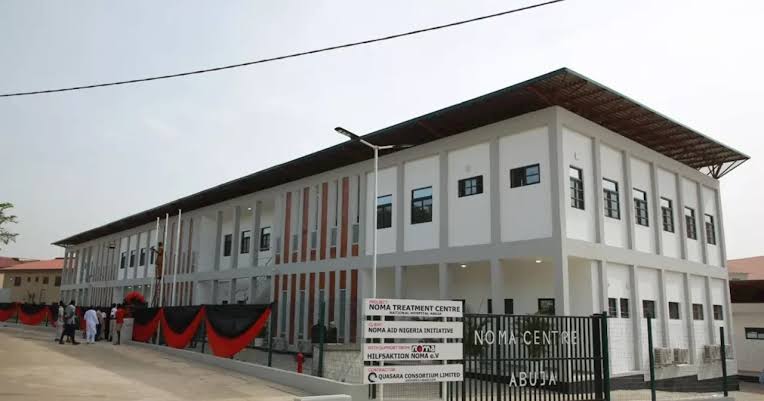
The Noma Centre at the National Hospital, Abuja, has performed 457 complex reconstructive surgeries on children affected by noma disease across the FCT.
The National Coordinator of the Noma Aid Nigeria Initiative (NANI), Dr Charles Ononiwu, disclosed this in Abuja today during the 2026 Oral Health Week, Noma Day and Scientific Conference.
Dr Ononiwu revealed that the centre had managed 321 patients and currently has more than 80 children receiving care. He added that 208 surgeries were performed in 2026 alone, with an average of 82 patients in the facility each month.
He warned that noma diseases could cause devastating facial destruction within a week if left untreated, urging parents to seek immediate medical attention when children complain of mouth pain, particularly those aged between two and six years.
“Make sure you maintain good oral hygiene for your children. If your child complains of pain in the mouth, please look for a hospital immediately,” he advised.
He identified poor oral hygiene, severe malnutrition and weakened immunity as factors that predispose children to the disease, emphasising that early treatment could prevent the extensive tissue damage associated with advanced cases.
READ ALSO:
- Oba Market: Traders To Enjoy Free Allocation At First, Says Okpebholo
- Alcohol Control Bill: The Push To Shield Nigerian Children From Harm
- Nigeria Records 60% Drop In Maternal Deaths At BHCPF Facilities – FG
Beyond surgical treatment, he said the centre provided basic education, psychological support and vocational training for children and their parents during treatment, which could last several months. He also revealed that the centre receives patients from other African countries, including Mozambique and Burundi.
“The centre provided direct social assistance to 57 severe cases, enrolled 132 pupils in educational programmes, and empowered 143 participants through specialised skill acquisition classes during 2026,” he said.
Also, the Director of Hospital Services at the Federal Ministry of Health and Social Welfare, Dr Adebimpe Adebiyi, called for stronger community-based prevention and early detection to reduce the number of Nigerian children affected by noma.
She called for noma awareness to be incorporated into school curricula and urged Nigerians to end discrimination against survivors.
Similarly, the President of the Nigerian Dental Association, Dr Tope Adeyemi, acknowledged the association’s involvement in efforts to improve oral healthcare in the country.

