

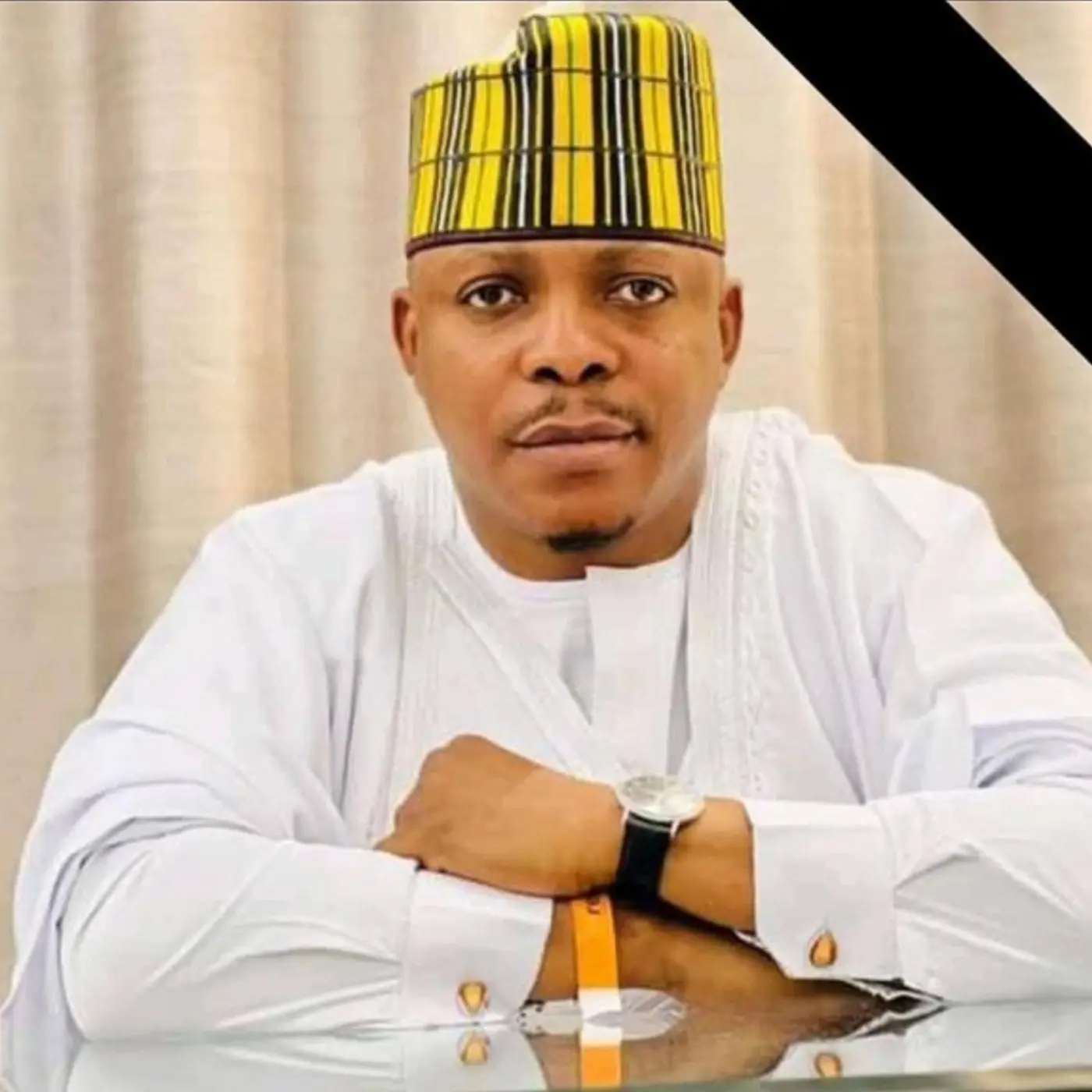
The African Democratic Congress (ADC) chieftain, Austin Okai, has questioned why presidential aspirants, Peter Obi and Rabiu Kwankwaso, have kept silent on the Supreme Court judgement on the party’s leadership crisis.
It was reported that the duo have not reacted to the apex court ruling.
Top leaders of the party, including former Vice President, Atiku Abubakar, have responded to the ruling which reinstated the David Mark-led leadership of the ADC.
Reacting to Obi and Kwankwaso’s silence, Okai, in a post on his official Facebook page, wondered if they were not excited about the court ruling.
Okai wondered why they opted for silence even though they staged a protest to show their grievances.
He wrote, “After all the protests, and just 48 hours after David Mark and the ADC’s Supreme Court victory, Obi and Kwankwaso still refuse to say a word
Are they not happy that their own party won the same case they protested? They could have at least made a little pretense. “Hah-ba!”
Meanwhile, Kwankwasiyya movement said Kwankwaso will next week defect from ADC to NDC.
The development is a major shake up of the opposition political landscape ahead of the 2027 elections.
The decision was reached after stakeholders unanimously approved the move, spokesman of the movement, Habibu Mohammed, said.
He said representatives of all 44 local government areas in Kano met at Kwankwaso’s residence and agreed on the move.
“He has been given the green light by the stakeholders to go to the NDC.
Mohammed added that former Anambra State governor, Peter Obi, is also expected to join the NDC together with Kwankwaso.
“I think he, Peter Obi and others will be joining the NDC,” he said.
He said discussions with the NDC were about 90 per cent complete with only minor issues left to be resolved.
The decision was said to have been heavily influenced by the continuing leadership crisis in the ADC, the spokesperson said.
He cited the recent Supreme Court judgement, which sent the matter back to the Federal High Court, as an example of ongoing uncertainty.
“It doesn’t look feasible to stay there… the entire caucus voted unanimously that a better platform, not embedded in a leadership tussle, should be used,” he told The Cable.
Mohammed also cited ongoing court cases and impending deadlines for submission of party membership registers to the Independent National Electoral Commission (INEC) as part of the reasons for the decision.
He cautioned that staying in the ADC could put the movement’s political plans at risk.
He said the movement had considered both the Peoples Redemption Party (PRP) and the NDC before settling for the latter.
He said the move was also influenced by internal disagreements within the ADC, including issues around consensus candidacy.
Obi has not attended ADC meetings since the summit in Ibadan, the report said.
He was said to be unhappy with the failure to address zoning of the presidential ticket which he considers key to fairness and unity.

