

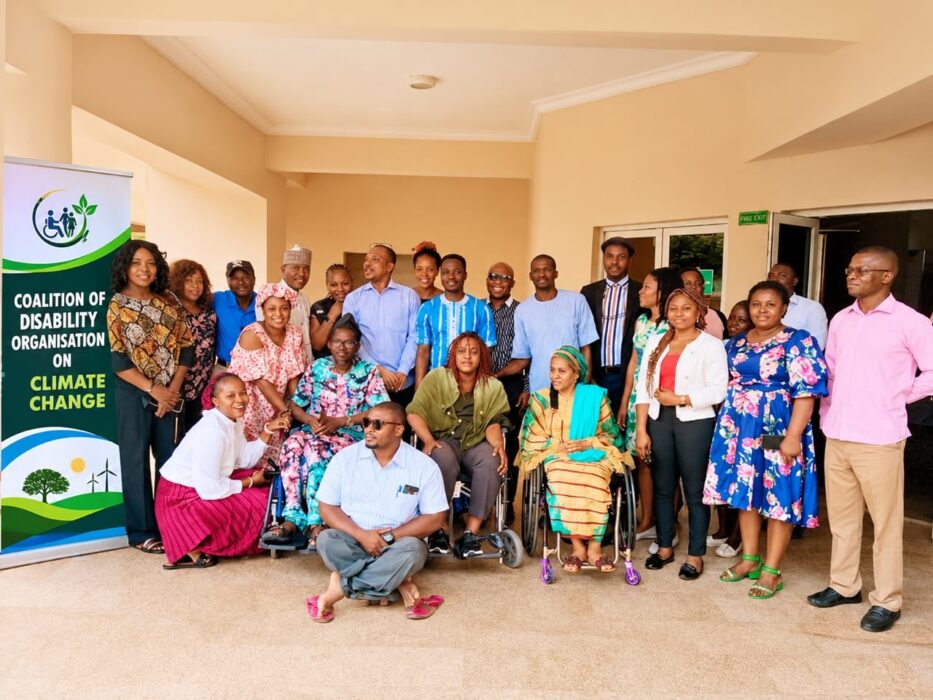
The Coalition of Organisations of Persons with Disabilities on Climate Change (COPD-CC) has called for formal recognition of a Disability Constituency within the United Nations climate change process and increased access to climate finance for persons with disabilities.
The coalition also urged world leaders, governments and international climate-finance institutions to integrate disability inclusion into climate policies, negotiations and decision-making ahead of the 31st United Nations Climate Change Conference (COP31).
COP31 is scheduled to hold from November 9 to 20, 2026, in Antalya, Türkiye.
The demands were contained in a statement issued to journalists in Abuja yesterday by the coalition’s representative, Dr Kayode Jayeoba.
The coalition said persons with disabilities were disproportionately affected by climate-related disasters, including flooding, drought, extreme weather events, food insecurity and environmental degradation.
It attributed their vulnerability to inaccessible climate information, inadequate emergency preparedness, exclusion from decision-making processes and limited access to climate financing.
It also highlighted the challenges facing women and girls with disabilities, including discrimination, increased exposure to gender-based violence and barriers to livelihoods, protection and participation.
According to the coalition, persons with disabilities should not be regarded merely as beneficiaries of climate interventions but recognised as rights-holders, innovators, community leaders and contributors to climate solutions.
It argued that climate action could not be equitable or sustainable without their participation in its planning, financing, implementation and evaluation.
A major demand of the coalition is the formal recognition and approval of a Disability Constituency within the United Nations Framework Convention on Climate Change (UNFCCC).
It said the current recognition of the Disability Caucus as an informal non-governmental organisation group did not provide persons with disabilities with the same institutional recognition and participation opportunities available to officially recognised constituencies.
The coalition explained that formal recognition would provide organisations of persons with disabilities with a structured platform to coordinate their engagements, contribute to climate negotiations, make interventions and participate meaningfully in global climate decisions.
“Nothing About Us Without Us must be reflected in the institutional architecture of the UNFCCC, not merely in declarations and policy statements,” it stated.
It called on the UNFCCC Parties, COP31 Presidency and the Secretariat to facilitate the necessary processes towards securing the formal approval of the proposed constituency.
On climate financing, the coalition urged governments, bilateral donors and international climate-finance institutions to establish accessible funding mechanisms, provide dedicated resources for disability-inclusive climate programmes and support adaptation initiatives led by organisations of persons with disabilities.
It also called for the removal of administrative barriers preventing grassroots disability organisations from accessing climate funds, stressing that climate investments should have measurable disability-inclusion outcomes and transparent accountability mechanisms.
READ ALSO:
- Nigerian Armed Forces At Their Peak Of Successes Against Insurgency – Agbese
- Senate Warns NMDPS Executive Directors Against Sabotage, Demands Transparency
- ECOWAS Commends Nigerian Military’s Contribution To Regional Peace
The coalition further demanded accessible early-warning systems and disaster-preparedness arrangements, insisting that weather forecasts, emergency alerts and evacuation instructions should be provided in sign language, audio announcements, captions, Braille, large print, easy-to-read materials and screen-reader-compatible digital platforms.
It also called for accessible emergency shelters, evacuation routes, sanitation facilities and humanitarian response services, with organisations of persons with disabilities involved in community risk assessments, preparedness exercises and post-disaster evaluations.
On gender inclusion, the coalition urged governments and development partners to prioritise women and girls with disabilities in climate adaptation and resilience programmes, particularly in addressing gender-based violence, displacement-related risks, sexual and reproductive health and economic insecurity.
It also advocated expanded access to green jobs, renewable energy, climate-smart agriculture, entrepreneurship, vocational training and accessible financial services for persons with disabilities.
The coalition called for stronger collection and use of disability-disaggregated data in climate vulnerability assessments, adaptation planning, disaster preparedness and climate-finance monitoring.
It urged governments, research institutions and development partners to support participatory research and accessible technologies to document the experiences, capacities and contributions of persons with disabilities.
The group also demanded measurable indicators, dedicated budgets, implementation timelines and reporting mechanisms to ensure accountability for disability-inclusive climate commitments.
Turning to Nigeria, COPD-CC called on the Federal Government to integrate disability inclusion into national climate commitments, adaptation plans and policies while ensuring meaningful representation of organisations of persons with disabilities in the country’s climate delegations and international engagements.
It urged the government to strengthen accessible climate information and early-warning systems, allocate dedicated resources for disability-inclusive climate adaptation and resilience programmes and expand access to green jobs, renewable energy and climate-resilient livelihoods.
The coalition also called for stronger collaboration among organisations of persons with disabilities, the National Council on Climate Change, the National Emergency Management Agency (NEMA), the Nigerian Meteorological Agency (NiMet) and relevant state institutions.
It further advocated coordinated mechanisms for monitoring disability inclusion in climate policies, programmes and budgets.
The coalition specifically appealed to the Green Climate Fund, Adaptation Fund, Fund for Responding to Loss and Damage, multilateral development banks, bilateral donors and philanthropic institutions to make disability inclusion an operational requirement in climate investments.
It said this should include direct funding opportunities for disability-led initiatives, accessible grant procedures, technical assistance and support for gender-responsive, community-based climate adaptation and resilience programmes.
The coalition, however, emphasised the need to safeguard its independence and disability-led governance.
It urged global leaders attending COP31 to move beyond declarations and translate disability inclusion into formal institutional recognition, meaningful representation, accessible financing, concrete investments and measurable accountability.

