

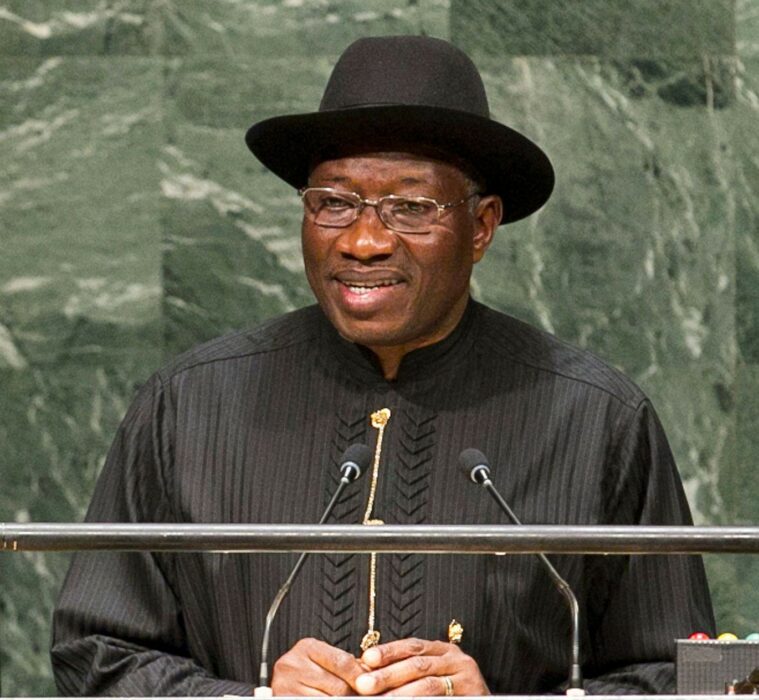
Jonathan spoke on Saturday in Abuja while delivering the keynote address, titled “The Brand Nigeria,” at the Paul Alaje Colloquium (TPAC 2026).
A nation’s brand, he explained, is what the world thinks and says about it, based on its conduct, institutions, achievements and the experiences of its citizens.
He said these problems undermine investor confidence, weaken international partnerships and reduce the respect attached to the Nigerian name.
Jonathan also pointed to the limited international mobility of the Nigerian passport, saying citizens face considerable visa restrictions. “A passport is more than a travel document,” he said, describing it as a symbol of national identity and of the confidence other countries place in the issuing nation.
He, however, drew a line between the country’s challenges and the character of its people, noting that millions of Nigerians remain honest, industrious, talented and highly respected abroad.
READ ALSO:
- Why I Conceded Defeat To Buhari In 2015 — Ex-President Jonathan Opens Up
- Education, Not Gun, Can Defeat Terrorism In Nigeria – Buratai
- The ₦791,000 Question: Who Can Afford to Play GTA 6 in Nigeria?
Recalling Nigeria’s past standing, he said the country was once mentioned among emerging economies alongside Brazil and Malaysia, and played leading roles in the struggle against apartheid and in peacekeeping in Liberia and Sierra Leone. He said Afrobeats, Nollywood, football and the work of Nigerian professionals continue to project the country positively. He also referred to the 2009 Rebranding Nigeria initiative, led by the late Professor Dora Akunyili under President Umaru Musa Yar’Adua, with the message “Good People, Great Nation.”
Public office, he said, must be treated as a position of trust guided by transparency, accountability and the rule of law.
Other recommendations included a secure economy that creates jobs, sustained attention to education, healthcare, agriculture, manufacturing, technology and infrastructure, and stronger support for cultural and sporting industries for diplomacy and economic growth. He also called for a national brand strategy that outlives changes of government and measures progress in restoring international confidence.
Addressing young Nigerians, Jonathan described them as the country’s ambassadors and future leaders. He urged them to demand accountability from leaders while holding themselves accountable as citizens.

