

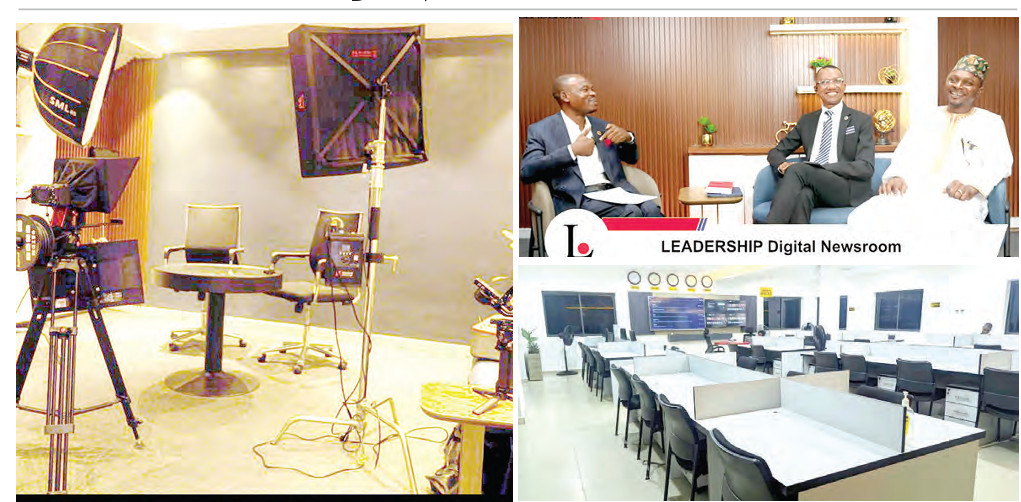
“We are trying to integrate journalism rigorously into the digital space while ensuring that whatever we publish, despite the pressure for speed, is accurate and free from misinformation and mistakes,” he said.
He noted that traditional newspaper distribution methods, including vendors, distributors and fleets of vehicles, were becoming less effective as readers increasingly consumed news on their mobile phones.
According to him, media organisations must embrace digital platforms, particularly YouTube and social media, to reach audiences where they access information.
“We are learning and learning very fast to adapt to newer forms of distribution channels in order to meet those audiences and serve them exactly where they need the news and the content, whether in forms of text or in forms of video,” he said.
However, former President of the Nigerian Union of Journalists (NUJ), Chris Isiguzo, cautioned that the pressure to break news quickly must not undermine accuracy, credibility and professional ethics.
“Accuracy is very important. While maintaining speed, you must not compromise accuracy. You are also expected to meet the demands of the audience. However, the rush and haste to meet those demands can destroy the credibility and integrity you have built over time,” Isiguzo said.
He urged media organisations to protect the integrity of their platforms by ensuring that published reports reflect the truth, regardless of the pressure to keep pace with breaking news.
“One thing you must protect is the integrity and credibility of your platform. As much as you want to keep up with the speed of breaking news, you must ensure that what you publish represents the truth.
“These are things you cannot compromise because they form the very soul of journalism. Technology may change, but the principles of journalism remain substantially the same. The soul of journalism cannot be compromised. Once you compromise it, you are no longer practising journalism; you are doing public relations,” he added.
AI Misinformation Threatens Election Coverage
He said the organisation’s election reporters had been instructed to prioritise verification, particularly as manipulated videos, fabricated images and misleading political content increasingly threatened the credibility of information in the digital space.
READ ALSO:
- Digital Newsroom: LEADERSHIP, Others Warn Against Sacrificing Credibility For Speed
- LEADERSHIP Digital Newsroom : Digital Transition & Election Coverage in Africa
- LEADERSHIP Set To Unveil New Digital Newsroom
“We have realised for a long time that we are living in an age of misinformation, disinformation and fake news. We have election reporters, and we make it clear to them that verification is critical. We want them to break the news, but they must first verify the information and do everything necessary to establish its authenticity,” Muazu said.
Elazeh also called on media organisations across Africa to diversify their revenue sources to reduce dependence on digital platforms and algorithms that increasingly influence news distribution.
He warned that excessive reliance on digital platforms could expose media organisations to external control over information distribution, undermine their independence and allow individuals or entities outside the media industry to influence editorial decisions.
Also speaking, Mbah said digital innovations had transformed news dissemination, making information more accessible through videos, social media platforms and other digital applications.
He noted that the transition from traditional newspaper publishing to digital media had significantly reduced delays in accessing information while providing media organisations with opportunities to reach wider audiences.
“Before now, we read newspapers that were sold the next day, so information was delayed. But now, information is readily available. If you cannot read, you can watch videos, which makes it easier for people to access news without paying.
“All they need is data and access to various applications,” he said.
Mbah, however, stressed the need for responsible journalism amid the opportunities offered by digital innovations, urging media organisations to prioritise accuracy, credibility and the information needs of their audiences.
He said media organisations must understand what their audiences want and adapt their content to changing consumption habits, particularly as many people are becoming less interested in reading lengthy stories.
“These innovations provide opportunities for media houses to do many things, but that is where responsible journalism needs to come in. Are we really giving the people what they want?” he asked.

