

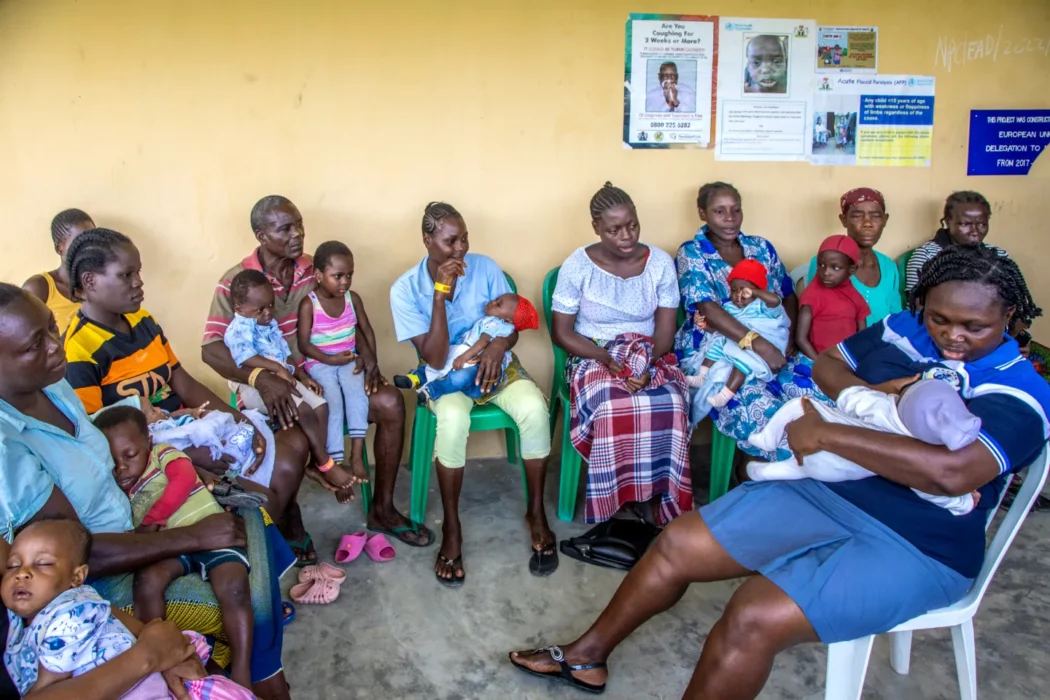
Parents fear of vaccine side effects, misinformation and delays in accessing healthcare services are emerging as challenges to childhood immunisation in parts of Bayelsa State, raising concerns about children’s protection against preventable diseases.
Although some nursing mothers continue to embrace routine vaccination, accounts from caregivers suggest that fear, incomplete vaccination schedules and long waiting periods at health facilities could undermine efforts to protect children.
She observed that before the pandemic, many parents readily accepted vaccines offered to their children without asking questions, but the situation had changed, with even educated parents becoming increasingly suspicious of immunisation.
According to her, false claims during the COVID-19 pandemic that vaccines were designed to harm Africans or wipe out the African population contributed to the mistrust.
She said, “One of the major factors contributing to vaccine hesitancy in recent times is the COVID-19 pandemic. After COVID-19, many parents began to question the safety and importance of vaccines.”
Ameahule noted that some parents had also begun questioning where vaccines were manufactured, why Nigeria imported many of them and whether they were safe for children.
She said the development had made it necessary for health authorities to intensify public education, particularly as misinformation continued to spread through social media and other communication channels.
Explaining the importance of vaccination, the paediatrician said vaccines prepare the body’s immune system to recognise and fight specific infections by stimulating the development of immune memory.
She explained that when the body encounters the infection again, the immune system can recognise it and respond more effectively.
READ ALSO Bayelsa Councils Berated Over Lack of Projects Despite Huge Allocations
According to her, children who miss particular vaccine doses may not develop the required protection against the diseases those vaccines are designed to prevent, leaving them more vulnerable to infection.
She urged health authorities to take public awareness campaigns beyond rural communities, stressing that vaccine hesitancy was also becoming evident among educated parents in urban areas.
Ameahule recommended the use of social media, radio dramas, cartoons and other creative communication methods to educate parents and rebuild confidence in childhood immunisation.
She said sustained awareness campaigns should highlight the benefits of vaccination and the possible consequences of failing to immunise children.
The concerns raised by the paediatrician were reflected in the experiences of some nursing mothers interviewed during the investigation.
A nursing mother, Jane Rufus, who has a 10-month-old baby boy, said she had been taking her child for routine immunisation at the Primary Health Centre, Okaka, since September.
She said her child’s health had remained good since the commencement of vaccination, adding that she had not experienced any major difficulty with the process.
However, she acknowledged missing a scheduled appointment for another dose of the malaria vaccine because she could not visit the health facility at the appointed time.
Rufus said she planned to return to the centre to continue the vaccination process before her child proceeded to the next scheduled vaccine, including measles.
Another nursing mother, Peace Bassi, who has twins and hails from Akwa Ibom State, disclosed that she had not completed all the recommended immunisation schedules for her children.
She said fear and concerns about possible reactions to vaccines initially made her apprehensive about taking her children for immunisation.
Bassi explained that stories she heard about a child reportedly reacting after receiving a vaccine contributed to her fears.
She also identified long waiting periods and overcrowding at the Okaka Primary Health Centre as some of the difficulties mothers encounter when seeking immunisation services.
According to her, mothers are issued numbers and attended to in turns, a process that sometimes requires them to spend considerable time at the facility.
Despite her initial fears, Bassi encouraged other mothers not to allow rumours or misconceptions to prevent them from immunising their children.
She said vaccination was important in protecting children against diseases such as measles and other infections, urging parents to follow the schedules provided by health workers.
The need for stronger community involvement was also emphasised by the Executive Director of Women Organised for Mentorship and Advocacy Network (WOMAN), Lady Eunice Nnachi.
Nnachi said community sensitisation and follow-up programmes were important in addressing low childhood immunisation because they helped bridge the gap between healthcare facilities and families.
She explained that children sometimes missed routine vaccination not necessarily because their parents rejected immunisation, but because of misinformation, fear of side effects, distance to health facilities, lack of awareness and competing family responsibilities.
She said sensitisation programmes should involve mothers, fathers, traditional rulers, religious leaders, community health workers and women leaders to encourage greater acceptance of vaccination.
According to her, awareness campaigns should go beyond occasional public announcements to include household visits, community dialogues, identification of children who have missed scheduled doses and regular engagement with health workers.
Nnachi said, “When communities are involved and trusted voices deliver the message, immunisation acceptance and coverage can improve significantly.”
She called on government to rebuild parental confidence through transparency, regular engagement and the provision of accurate information in simple language and local dialects.
The WOMAN executive director also urged authorities to strengthen primary healthcare facilities by ensuring regular vaccine supplies, training health workers and improving the way caregivers are treated.
She said repeated visits to health facilities without receiving the required vaccines could discourage parents from continuing with immunisation.
Nnachi further advocated mobile vaccination services, community-based outreach, reminder systems and follow-up visits for children who missed appointments.
She stressed that parents should be treated as partners in the immunisation process rather than blamed for incomplete vaccination schedules.
At the community level, the Chairman of Biseni Clan Council of Chiefs, His Highness Williams Wariebi, called on parents and caregivers to support the ongoing immunisation campaign by ensuring that their children received the recommended vaccines.
He appealed to traditional rulers, community leaders and other influential members of the communities to sensitise residents and encourage them to present their children for vaccination.
The traditional ruler stressed that the vaccines were safe and urged parents not to allow fear, rumours or misinformation to prevent their children from benefiting from immunisation.
He said the success of the campaign required collective responsibility and cooperation between parents, community leaders and health workers.
Efforts to obtain the position of the Bayelsa State Primary Health Care Board on the challenges affecting childhood immunisation were, however, unsuccessful.
The Executive Secretary of the board, Dr Appah Williams Weri, declined to comment when approached for an interview, explaining that a formal written request was required before he could grant an interview.
He said submitting the letter would not automatically guarantee access to him, as he would first have to forward the request to the Commissioner for Health for approval before any discussion could take place.

