

Nigeria, China Strengthen Creative Ties Through Fashion Exchange
The Federal Government has reiterated its commitment to strengthening Nigeria’s creative economy by creating platforms that connect local talents with international partners, markets and audiences.
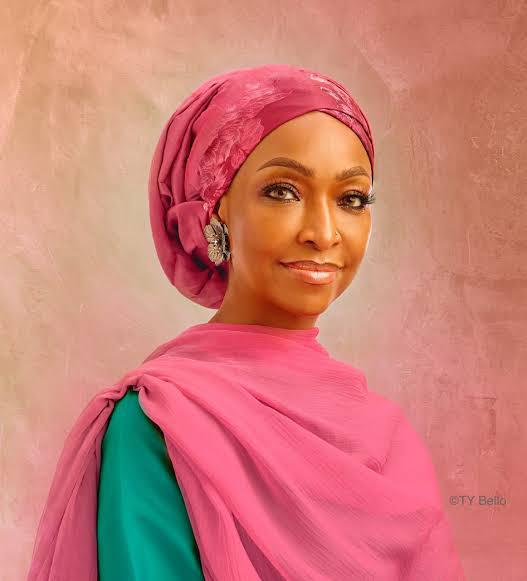
The Minister of Arts, Culture, Tourism and Creative Economy, Hannatu Musa Musawa, stated this at the China-Nigeria Fashion Show held in Abuja, where designers and cultural stakeholders from both countries showcased their creativity, traditions and fashion heritage.
The event, organised with the support of the China Cultural Centre in Nigeria and the China General Chamber of Commerce in Nigeria, attracted government officials, diplomats, fashion designers, creative industry practitioners, models, entrepreneurs and members of the media.
The fashion show provided an avenue for participants to celebrate the cultural heritage of Nigeria and China while exploring opportunities for greater collaboration within the creative sector.
Musawa, who was represented at the event by a Director in the ministry, Mohammed Tukura, said Nigeria was endowed with a vibrant and diverse pool of creative talents capable of competing on the global stage.
She described fashion as an important instrument for cultural diplomacy, economic development and mutual understanding between nations.
According to her, fashion goes beyond clothing because it represents identity, culture, creativity and heritage. She said the industry could help bridge cultural differences, promote friendship and generate opportunities for economic cooperation.
“The Federal Ministry of Arts, Culture, Tourism and Creative Economy remains committed to promoting Nigeria’s creative industry and creating platforms that enable our creative talent to connect with international partners and audiences,” she said.
The minister also described the China-Nigeria fashion event as a significant recognition of the growing strength of Nigeria’s fashion industry and an indication of the expanding relationship between Nigeria and China.
She noted that events of this nature provide opportunities for both countries to showcase their cultural traditions, exchange creative ideas and strengthen people-to-people relationships.
Musawa said Nigeria’s fashion sector was driven by talented designers, artisans, young creatives and entrepreneurs, while China also possessed a rich cultural heritage and a dynamic creative industry.
She explained that bringing practitioners from both countries together could create opportunities for collaboration, knowledge transfer, innovation and economic growth.
Also speaking, the Culture Director of the China Cultural Centre in Nigeria, Yang Jianxing, said the fashion show represented more than a presentation of clothes, describing fashion as a universal cultural language capable of crossing geographical and cultural boundaries.
He said the event provided an opportunity for Chinese and Nigerian traditions to interact through creative expression, with the runway serving as a platform for the artistic heritage of the two countries.
Yang highlighted several traditional Chinese clothing styles, including Hanfu, Tang-style attire, the qipao, also known as cheongsam, and the increasingly popular mamianqun, or horse-face skirt.
He explained that the various styles reflect different periods of Chinese history, aesthetics and cultural development.
Read Also: Bauchi By-Election: 47 Arrested Over Alleged Impersonation As Security Operatives
He also acknowledged Nigeria’s rich fashion traditions, citing Yoruba Aso Oke, Agbada, Buba, Iro and Gele among the garments and textiles that represent the country’s diverse ethnic identities and social customs.
According to him, Nigerian traditional clothing plays an important role during weddings, festivals and other major social occasions, while the movement of fabrics and designs across different regions continues to influence the development of contemporary Nigerian fashion.
Yang said the fashion show was intended to encourage greater interaction between Chinese aesthetics and African artistic traditions.
He expressed the view that cooperation in fashion design, manufacturing and other areas of the creative industry could contribute to the development of the creative economies of both countries.
The Chinese cultural envoy also referred to the philosophy of Chinese sociologist Fei Xiaotong, who promoted the idea that appreciating one’s own culture while respecting the cultures of others could encourage harmony, mutual respect and peaceful coexistence.
Yang expressed optimism that the event would provide a foundation for future cooperation in fashion design, industrial development and cultural exchange, while contributing to stronger relations between China, Nigeria and other African countries.
In her remarks, Binta Muazu, Director of Culture and Traditional Affairs for the City Boy Movement, described the fashion show as another demonstration of the longstanding relationship between Nigeria and China.
Muazu, who attended the event as a special guest, drew attention to the 55th anniversary of diplomatic relations between the two countries.
She noted that bilateral cooperation had expanded beyond traditional areas such as trade and infrastructure to include education, culture and people-to-people relationships.
According to her, Nigeria’s cultural heritage, textiles, craftsmanship and distinctive colour combinations are important national assets that deserve greater international exposure.
She said fashion provides an effective avenue for presenting Nigeria’s cultural identity to audiences around the world and creating new opportunities for young people in the creative sector.
Muazu encouraged young designers, artisans and entrepreneurs to remain committed to their ambitions, stressing that modest beginnings should not prevent them from pursuing greater achievements.
She also called on government institutions, private-sector players and other stakeholders to support platforms capable of creating employment for young Nigerians, expanding the creative economy and developing international partnerships through fashion and cultural exchange.
The China-Nigeria Fashion Show therefore served as both a celebration of cultural heritage and a platform for exploring new opportunities for cooperation between the two countries’ creative industries.

