

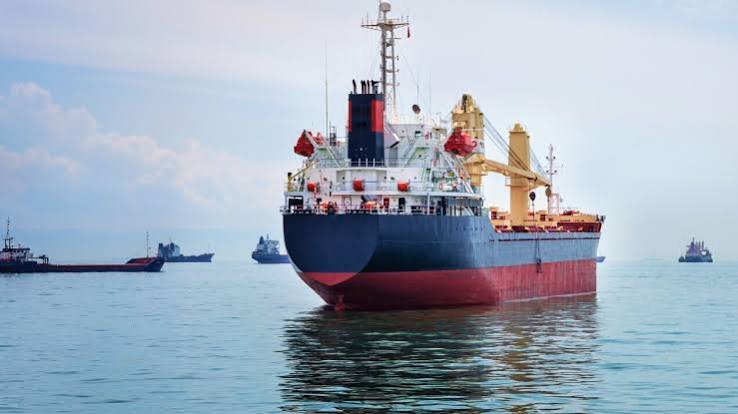
With the financing in place, UTM Offshore says it is on track to make a Final Investment Decision on Nigeria’s first floating LNG project in September, with construction expected to begin in the first quarter of next year. Julius Rone, Group Managing Director said during Nigeria Oil and Gas Week in Abuja that the project will support gas monetisation, reduce gas flaring, strengthen domestic Liquefied Petroleum Gas supply and position Nigeria as a more attractive destination for energy investment.
UTM Offshore has targeted a final investment decision in September on what would be Nigeria’s first floating liquefied natural gas project, a key step for a development that the firm says could unlock stranded offshore gas, cut flaring and increase domestic fuel supply.
“The project now has financing in place, which gives it the momentum to move from agreements and contracting into execution,” UTM Offshore Group Managing Director Julius Rone told CNBC Africa on the sidelines of Nigeria Oil and Gas Week in Abuja.
“Today is a great day for not just Nigeria, for the world, because in signing this gas agreement underpins that this project can proceed into the next stage,” Rone said, adding that the deal creates the certainty needed to advance the project through final investment decision, financing closeout and construction.Rone said UTM Offshore is working towards a FID in September with further milestones to follow ahead of year-end.
The company expects to sign the gas supply agreement and the engineering, procurement, construction, installation and commissioning contract before Christmas, which will allow construction to start in the first quarter of next year, he said.
The timeline is key for Nigeria’s gas sector, which has long struggled to monetize large offshore resources, much of them stranded by limited infrastructure. Floating LNG, or FLNG, is designed to process natural gas at sea, close to the field location, so companies can liquefy and export gas without waiting for long onshore pipelines and processing plants.
“Rone pitched the project as a strategic solution to that challenge. He said Nigeria has “a lot of gas resources that are stranded offshore.” FLNG, he said, provides a proven method to process gas where it is produced, export volumes destined for international buyers and channel some products back into the domestic market.
One of the most tangible local benefits that UTM Offshore talks about is liquefied petroleum gas supply. Rone said over 300,000 tons of LPG would be returned to Nigeria to support the domestic market. This could reduce the country’s reliance on imported LPG, while increasing access to cleaner cooking fuel for households.
As Nigeria seeks to increase the use of gas under its wider energy transition strategy, the domestic angle is becoming more important. LPG is a cleaner alternative to traditional biomass fuels typically used in homes, and greater penetration could help reduce indoor air pollution and deforestation.
Therefore, the project could yield industrial and social benefits, Rone said. The development would improve LPG availability, he said, supporting the adoption of cleaner cooking and helping households, especially women in rural and underserved communities, transition away from more polluting and less efficient energy sources.
UTM Offshore also cast the project as an environmental play, especially on the matter of gas flaring. Rone said some of the gas designated for the project is being flared today, so the FLNG facility would capture gas that would otherwise be wasted and process it into LNG and LPG.
“Automatically you’re saving the environment,” he said.
Gas flaring has been a long-standing problem in Nigeria’s oil and gas sector, drawing criticism from regulators, communities and climate-conscious investors. Converting flare gas and rejected gas to commercial products can improve project economics while addressing pressure on producers to reduce emissions and improve environmental performance.
Rone said the company has done a lot of environmental, social and governance work on the project, and has built eco-friendly systems into the floating LNG facility to minimize harm to surrounding communities and marine environments. “The design is meant to stop pollution of water and damage to the environment in the project’s area of operation,” he said.
Read Also: Diamond Platnumz And Wife Zuchu Part Ways After Marriage Hits The Rocks
Besides the first development, UTM Offshore has also expressed wider ambitions to develop a pipeline of FLNG projects in Nigeria. The company is already looking at “Project 2 and Project 3” to follow the first installation, Rone said, citing Mozambique’s offshore LNG development trajectory where a series of floating LNG projects have been implemented after the first one.
He said the strategy is based around offshore stranded gas and fits with a broader push in Nigeria to focus on gas development. The Nigerian National Petroleum Company is a partner in the project with a 20% stake along with other stakeholders, Rone noted and said the latest gas deal should help open the door to the construction phase.
The comments come after a renewed focus by investors on African energy projects seeking diversification of supply in the face of geopolitical disruptions. The recent instability affecting traditional energy routes has increased international interest in Africa as an alternative source of supply, said Rone.
“There is a massive flow of investment into the African continent,” he said, adding that he believed the next 12 months could see a flood of capital as global buyers and investors looked for new reliable sources of exports.
In terms of Nigeria specifically, Rone said that trusted local partnerships would be key to international investors. “UTM is a credible local operator that has worked to build its reputation and attract global capital,” he said, adding that Nigeria is becoming more aligned with international business standards.
His message was that the country is more open for business, with greater investor confidence and fewer concerns that previously put off foreign participation. The extent to which that optimism turns into project execution will probably hinge on whether UTM Offshore makes its September FID target and secures the commercial and engineering deals required to start construction in early 2026.
If so, the project would be a milestone for Nigeria’s gas industry: the launch of its first floating LNG development and a potentially important test case for how the country can commercialize offshore gas, reduce flaring and deepen its position in global energy markets.

