

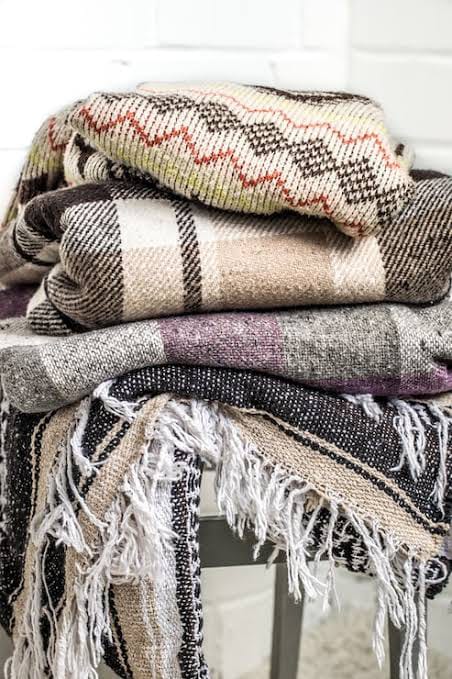
The Foundation for the Protection of Women and Children in Nigeria has appealed to wealthy individuals, corporate organisations, religious institutions and humanitarian groups to provide blankets, sweaters and other warm clothing for internally displaced persons (IDPs) and vulnerable families ahead of the Harmattan season.
The foundation warned that the approaching cold weather could further worsen the living conditions of thousands of displaced persons, particularly women, children, elderly people and persons living in poorly constructed shelters without adequate protection against the cold.
The National President of the foundation, Hajia Ramatu Tijjani, made the appeal on Friday in Kaduna during an interview with journalists.
She urged individuals and organisations to provide timely humanitarian assistance to vulnerable households before the cold season reaches its peak.
She said many displaced families were already struggling with inadequate shelter, food insecurity, poverty and limited access to basic healthcare, leaving them particularly exposed to the harsh conditions associated with the Harmattan.
According to her, the situation could become more difficult for families living in temporary settlements and overcrowded displacement camps, where access to basic necessities, including suitable bedding and warm clothing, remained a concern.
Beyond the discomfort associated with cold weather, the foundation expressed concern about the possible health consequences for people who lack adequate protection during the season.
“Cold and dry Harmattan conditions can aggravate respiratory problems, particularly among people with asthma and other existing respiratory conditions. Dust particles carried by the dry seasonal winds can also irritate the airways, eyes and skin, potentially worsening symptoms among people with allergies and other respiratory sensitivities.
“Children and elderly people may face additional health risks because of their vulnerability to temperature changes, especially when they lack adequate clothing, bedding and suitable shelter.
“For children living in overcrowded displacement settlements, exposure to cold, poor sanitation and limited access to healthcare could compound existing health challenges. Similarly, elderly people and persons with underlying health conditions may find it more difficult to cope with prolonged exposure to cold weather”.
Telco Seeks Tax Harmonisation, Protection Of Telecoms Infrastructure
According to her, dry air associated with Harmattan can also cause cracked lips, dry skin, throat irritation and discomfort in the eyes and nasal passages, making access to basic protective materials and healthcare particularly important.
Tijjani said providing blankets, mattresses, sweaters, socks and other essential materials would help protect vulnerable people from prolonged exposure to cold weather and reduce associated health risks.
READ ALSO:
- Tinubu Approves N100m, 3-bedroom Flat Each For Families Of NAF Crash Victims
- Governor Donates ₦10m To Families Of 3 Killed In Lawanti Shooting
- FG Seeks Traditional Rulers’ Support To Tackle Vaccine Hesitancy
She stressed that assistance should reach affected families early enough to enable them to prepare for the colder months rather than waiting until the Harmattan becomes severe.
“The needs of displaced families go beyond food and shelter. They also require basic protection against harsh weather conditions, particularly during the Harmattan season,” the foundation’s appeal stated.
The foundation specifically urged corporate organisations, philanthropists, religious institutions, development partners, civil society groups and humanitarian agencies to support the initiative through donations and other forms of assistance.
It noted that children, pregnant women, nursing mothers, elderly people and persons with disabilities deserved particular attention because of the additional difficulties they could face in coping with cold weather.
The organisation also called for improved access to healthcare for displaced families, particularly those who may experience respiratory complications and other health problems during the season.
It urged humanitarian organisations and relevant stakeholders to complement the distribution of warm clothing with support for basic healthcare, adequate shelter, clean water and other essential services needed to improve living conditions in displacement settlements.
The foundation said the appeal was particularly important at a time when many vulnerable households were already contending with economic hardship, making it difficult for them to afford additional clothing, bedding and other household necessities.
It further called for stronger humanitarian support and community solidarity to address the needs of displaced persons and other vulnerable Nigerians, particularly those whose living conditions had been affected by displacement and poverty.
The organisation maintained that the provision of blankets and warm clothing should not be regarded merely as a charitable gesture but as an important form of humanitarian assistance aimed at protecting the health, well-being and dignity of affected families.
It urged Nigerians, private sector organisations and humanitarian partners to respond positively to the appeal, noting that timely donations could make a difference to families facing the challenges of the approaching cold season.
The foundation expressed hope that collective support would ensure that displaced and vulnerable families, especially children and elderly people, had access to basic protection during the Harmattan.

