

By JIBRIL MOHAMMED NABIL, Damaturu
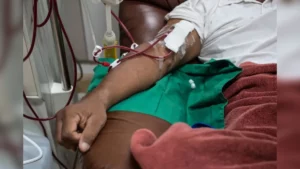
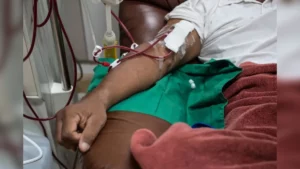
For many families in Gashua, headquarters of Bade Local Government Area of Yobe State, chronic kidney disease (CKD) is no longer just a medical condition. It has become a source of grief, financial hardship and growing uncertainty, with residents recounting the loss of loved ones and the difficulties confronting patients struggling to access treatment.
From families who have lost several relatives to the disease to patients compelled to travel hundreds of kilometres for dialysis, the situation has heightened calls for urgent government intervention, improved healthcare services and comprehensive scientific investigations into the possible causes of the reported cases.
Residents say the absence of a functional dialysis centre in Gashua has left patients with limited treatment options, forcing them to travel to Damaturu, Geidam, Hadejia, Maiduguri and Kano for specialised medical attention.
Beyond the physical exhaustion associated with these journeys, transportation, accommodation, medication, investigations and other hospital expenses have continued to place enormous financial pressure on affected households.http://kidney-disease-gashua-dialysis-centre
For Lawan Abubakar, the impact of the disease has been particularly devastating.
He disclosed that his family had lost between five and six members to kidney disease, describing the situation as a growing tragedy affecting households across Bade Local Government Area.
“There is hardly a family that can say it has not lost someone to kidney disease. It has affected my family too, as we have lost about five or six members,” he said.
Abubakar explained that patients requiring dialysis often travel to Damaturu, Hadejia, Maiduguri and Kano, where the additional costs of transportation, feeding, medication and other medical requirements make treatment increasingly difficult.
Zenith Bank Posts N360.9bn Q1 Profit As Revenue Hits N1trn
Meta Deletes 10m Fake Profiles In Recent Crackdown
He estimated that a patient travelling with an attendant to Damaturu could spend at least N50,000 on transportation alone, excluding blood transfusions and other medical expenses.
He therefore called for the establishment of a comprehensive kidney treatment and research centre in Gashua, arguing that access to dialysis should go hand in hand with investigations into the underlying causes of the reported cases.
Abubakar also expressed concern that residents had yet to receive officially published findings explaining the suspected causes of kidney disease in the area.
Similarly, Alkali Umar, a resident of the Bakin Cinema area of Gashua, recounted how he lost his mother to kidney disease after nursing her for between three and five months.
He described the experience as emotionally and financially exhausting, saying the illness had continued to leave families with grief and uncertainty.
“Honestly, this illness has become a major challenge to our lives. There is hardly a household that has not been affected. I personally lost my mother to this illness after nursing her for about three to five months. Every day, we live with grief and sorrow over the situation,” he said.
Umar said patients requiring dialysis were compelled to travel to Damaturu, with transportation, feeding and other medical expenses adding to the burden on their families.
He estimated that a patient travelling with an attendant could spend at least N50,000 on a return journey, excluding medication and possible blood transfusions.
He appealed to Governor Mai Mala Buni to provide a functional dialysis centre in Gashua, stressing that patients should not continue to endure long-distance journeys to access life-sustaining treatment.
However, Umar maintained that the provision of dialysis facilities alone would not address the wider public health challenge without identifying the underlying causes of the reported cases.
“We want to know what is causing this illness, where it is coming from and how it can be treated. If it is the water, the government should investigate and provide a solution. If it is not the water, then the actual cause should be identified,” he said.
Another resident, Alhaji Idris Muhammad of Sabon Gari Ward, Gashua, also expressed concern over the growing impact of kidney disease on families in the community, recalling that he had personally lost an elderly family member to the illness.
Muhammad identified the cost of medication, transportation and caregiving as major challenges confronting patients and their relatives.
He said travelling to Damaturu for treatment was particularly difficult because of the distance and poor road conditions, urging the government to translate its promises into concrete healthcare interventions.
Abdullahi Ali Muhammad, another resident, described the reported commencement of construction work on the proposed dialysis centre as encouraging but called for its timely completion.
He said the government should demonstrate commitment through the delivery of functional healthcare infrastructure rather than announcements alone.
Concerns over diagnosis, treatment
Apart from the financial and logistical difficulties, concerns have also emerged over how kidney disease patients receive medical information and counselling.
A patient in Gashua, whose name is withheld, expressed concern over the psychological distress associated with the illness, particularly when healthcare workers communicate medical findings without adequately explaining the patient’s condition.
The patient said some medical personnel merely informed individuals that their kidneys had problems without explaining the nature of the condition, available treatment options or the necessary steps to manage the illness.
He called for improved patient counselling and more compassionate communication, stressing that people diagnosed with kidney-related conditions needed clear explanations and reassurance rather than statements capable of worsening their fears.
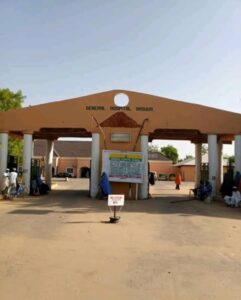
Meanwhile, a nurse at the State Specialist Hospital, Gashua, Yusuf Abubakar Nadabo, said a free kidney screening exercise conducted in the town about a month earlier examined approximately 700 residents, with more than 50 found to have kidney-related abnormalities.
Nadabo said the exercise highlighted the importance of early detection, routine medical examinations and increased public awareness about kidney health.
He explained that kidney damage could develop gradually, with some cases originating from acute kidney injury and progressing into more serious conditions when not detected and properly managed.
According to him, hypertension, diabetes, dehydration and indiscriminate use of certain medications are among the factors that could increase the risk of kidney damage.
READ ALSO:
- Sowore Tells Tinubu To Resign Over Water Crisis At Aso Rock
- Borno Residents Demand Security, Farmland Access at APC Rally
- Experts Seek Satellite Technology, AI to Fight Terrorism
He particularly warned against the unsupervised use of painkillers such as ibuprofen and diclofenac, as well as traditional herbal preparations, advising residents to seek professional medical guidance before taking medications.
Nadabo, however, cautioned against assuming that symptoms such as facial and leg swelling, persistent fatigue, foamy or blood-coloured urine and body itching automatically indicated kidney disease.
He advised residents experiencing such symptoms to visit healthcare facilities for proper medical examinations and diagnosis.
On claims linking the reported cases directly to Gashua’s water supply, the nurse said there was insufficient evidence to establish such a connection.
He added that healthcare workers and concerned youths had initiated community awareness campaigns in schools and public gathering places to educate residents about kidney disease, its risk factors and preventive measures.
No functional dialysis centre
Despite these awareness efforts, access to specialised kidney treatment remains a major challenge in Gashua.
Nadabo confirmed that the town currently had no functional dialysis facility, leaving patients dependent on services available in other towns.
He disclosed that transportation expenses alone could exceed N50,000 for a journey, excluding accommodation, medication, medical investigations and other hospital bills.
He added that some patients also required blood transfusions, with each unit costing approximately N20,000, further increasing the financial burden on affected families.
However, he expressed optimism over efforts to establish a dialysis centre in the town, disclosing that construction work had commenced at a location opposite the Federal University Gashua, near the Nigerian Television Authority (NTA) station.
The development has raised hopes among residents who believe that completing and equipping the facility would significantly reduce the difficulties patients face in accessing specialised treatment.
They have nevertheless urged the state government to ensure that the project is completed, equipped with modern dialysis machines and made fully operational without unnecessary delays.
Science seeks answers to kidney disease concerns
While residents continue to demand improved treatment facilities, a government-backed scientific research initiative involving Nigerian and international researchers is seeking to establish possible explanations for the reported kidney disease cases in Gashua.
Preliminary findings from the research have revealed the presence of heavy metals, including cadmium, lead and arsenic, in some water samples collected in the area.
Researchers have also identified established medical risk factors, particularly diabetes and hypertension, among the population studied.
Although the findings have raised concerns about possible environmental exposure, researchers have cautioned that further scientific investigations are required before any direct relationship can be established between the detected substances and kidney disease in affected communities.
The research was initiated through the Biomedical Science Research and Training Centre (BioRTC) at Yobe State University, in collaboration with the Office of the Special Adviser to the Governor on Science, Research and Innovation.
The multidisciplinary research team comprises specialists in nephrology, geology, chemistry, medicine, genetics and environmental science.
International researchers from the United Kingdom, Germany, Spain, Algeria, Senegal and Ghana have also participated in the wider research initiative.
According to the Director of BioRTC and Special Adviser to Governor Mai Mala Buni on Science, Research and Innovation, Prof. Mahmoud Bukar Maina, the research team has collected more than 3,000 human and environmental samples.
The samples include blood and urine collected from residents, as well as food items, agricultural soil, river water and borehole water.
Maina explained that the research was designed to investigate several possible contributors to kidney disease rather than attribute the condition to a single factor.
The preliminary findings have consequently raised questions about the safety of water sources used by residents, particularly households that depend on rivers and public boreholes for drinking and other domestic activities.
However, the detection of heavy metals in some water samples does not, on its own, establish that contaminated water is responsible for the kidney disease cases. Further investigations are necessary to determine the levels of exposure, possible health implications and whether there is a demonstrable link with the affected population.
For affected families, the consequences of kidney disease extend far beyond hospital admissions and medical diagnoses.
Repeated hospital visits, laboratory investigations, medication, transportation and specialised treatment impose considerable financial and emotional burdens, particularly on households with limited resources.
The situation also highlights the importance of strengthening public health education, ensuring early diagnosis and improving communication between healthcare professionals and patients.
Although community awareness campaigns have commenced, residents believe that more sustained efforts are required to educate the public about kidney disease, its risk factors, warning signs, preventive measures and available treatment options.
Healthcare authorities are also expected to strengthen routine screening programmes and improve access to specialised medical services, particularly in communities where patients face difficulties travelling to distant hospitals.
For Gashua residents, the immediate priority remains the completion and equipping of the proposed dialysis centre.
They want the Yobe State Government to ensure that the facility has modern dialysis equipment, qualified medical personnel, reliable electricity and other essential resources required for effective and sustainable operations.
Beyond the treatment centre, they are demanding transparent communication of credible scientific findings and appropriate public health interventions based on the outcome of the ongoing investigations.
Ultimately, the challenge confronting Gashua goes beyond providing dialysis machines. It is about understanding why families are losing loved ones, ensuring that patients can access affordable treatment and preventing more residents from developing avoidable kidney complications.
For families that have already endured painful losses, the demand is straightforward: they want answers, accessible treatment and decisive government action before more lives are lost.

