

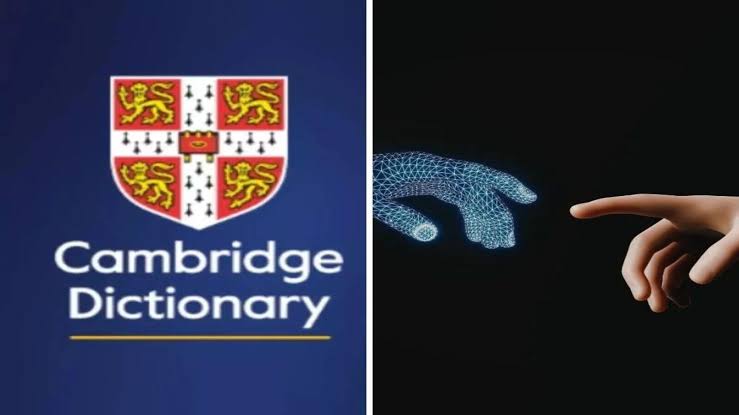
Cambridge Dictionary has named ‘Human’ its 2026 Word of the Year amid growing concerns about the rapid advancement of artificial intelligence (AI) and its potential impact on humanity.
The nearly 600-year-old word reflects mounting anxieties about machines replacing human thinking and taking over jobs, while prompting renewed questions about what distinguishes people from artificial intelligence.
The choice, according to experts, captures how society is rethinking human identity in an increasingly AI-driven world.
Beyond ‘Human’, several other expressions associated with technology, lifestyle and changing social behaviours featured among the contenders for this year’s award.
Among the other contenders for Cambridge Dictionary’s 2026 Word of the Year was “agent”, referring to an artificial intelligence system capable of performing complex tasks with limited or no human supervision.
“Wholesome”, defined as something beneficial to a person’s physical, moral or emotional well-being, also featured on the shortlist.
Another contender was “dusking”, the practice of watching daylight fade into darkness as a form of relaxation.
The tradition, which originated in the Netherlands, has gained renewed attention as people seek ways to reconnect with nature and escape the pressures of modern life.
READ ALSO:
- Cambridge Dictionary Names ‘Human’ Word Of The Year 2026
- What’s New 5 Trending Tech Stories | November 17, 2026
- New Nasarawa CP Vows Tougher Fight Against Crime
New Words
Cambridge Dictionary also expanded its vocabulary in 2026 with the addition of several expressions reflecting emerging online trends and changing social behaviours.
Among them is “aura farming”, which describes deliberately behaving in ways that project an appealing or admirable personality.
Another addition is “looksmaxing”, referring to efforts to improve one’s physical appearance to become as attractive as possible.
The dictionary’s annual Word of the Year selection and new vocabulary additions are determined using several criteria, including the frequency with which words are searched for on its website.
Looking ahead to 2027, Cambridge Dictionary identified “FOBO”, meaning “fear of becoming obsolete”, as one expression to watch.
The term describes anxiety about losing relevance, particularly when technological advancements such as AI threaten to make certain jobs or skills redundant.
“Weather whiplash” was another expression highlighted. It describes a rapid shift from one extreme weather condition to another, reflecting growing concerns about unpredictable weather patterns.
Last year’s Word of the Year was “parasocial”, a term describing the feeling of having a personal connection with a celebrity, public figure or fictional character despite having no direct relationship with them.

