

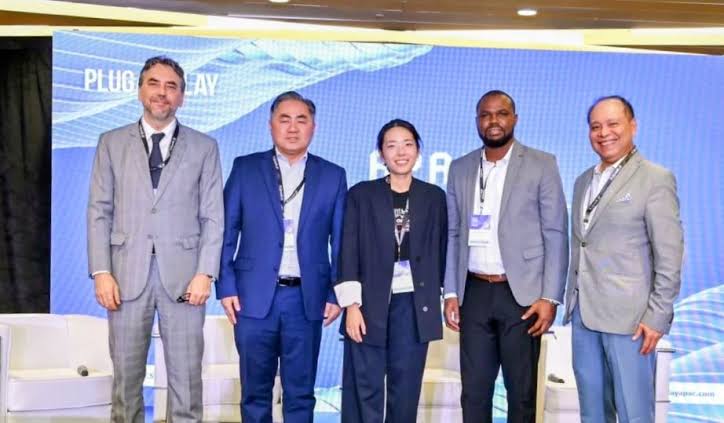
Nigeria is seeking to tap into Singapore’s maritime expertise, technological innovations and investment models to strengthen its blue economy, with the Nigerian High Commission in Singapore pledging to facilitate strategic partnerships and connect Nigerian professionals with relevant institutions in both countries.
The commitment was made during an engagement between representatives of the High Commission and a delegation of Nigerian professionals exploring opportunities to adapt Singapore’s experience in maritime development, technology and start-up innovation to Nigeria’s marine and offshore sectors.
The High Commission clarified that its support would not involve direct financial assistance but said it was willing to serve as a strategic link between professional institutions, Singaporean agencies and relevant Nigerian government ministries.
It encouraged the delegation to submit formal reports, policy documents and portfolios of its ongoing collaborations for onward recommendation to appropriate authorities in Nigeria.
The delegation, led by Obinna and his team, explained that its engagement with Singapore aimed to identify practical models that could be adapted to Nigeria’s maritime industry, particularly in research, technical capacity development and innovation.
Working with Plug and Play, the group is developing research and industry trend reports intended to provide a unified framework for government agencies operating within the energy and maritime sectors.
Central to the initiative is the proposed implementation of the Ecosystem Compatibility Model (ECM), a policy advisory framework designed to align national development priorities with industry needs.
The delegation also highlighted the importance of strengthening collaboration among academia, industry and government to address institutional gaps and prevent agencies from operating in silos.
It further identified technical capacity development through the Centre for Marine and Offshore Technology Development as a major component of its agenda, alongside the establishment of peer-reviewed journals covering marine engineering, offshore technology, naval architecture and sustainable energy development.
On Nigeria’s maritime infrastructure, the delegation raised concerns about technical challenges hindering the effective utilisation of existing assets, citing the Baro Inland Port as an example.
READ ALSO:
- Babura Varsity Gets New VC, Husseini Promises Infrastructure Boost
- Gov Yahaya Seeks Votes For Tinubu, APC Candidates As Gwamna Promises Youth Empowerment
- AMR: WHO Seeks Urgent Implementation Of Action Plans Across 47 African Countries
It noted that beyond infrastructure investment, adequate bathymetric surveys were necessary to understand fluctuations in water levels, particularly during the dry season, and ensure that the port could support vessel operations throughout the year.
The professionals also called for greater use of data-driven research to inform policy reforms, particularly in local content regulations and in developing the indigenous expertise required for deep-sea exploration.
They identified stronger institutional relationships with the Nigerian Ports Authority and Singapore’s Port Authority as important steps towards improving operational standards and technical knowledge exchange.
The delegation also drew attention to Nigeria’s extensive inland waterways, estimated at about 10,000 kilometres, stressing the need for deliberate technical planning and policy decisions to harness their economic potential and expand opportunities within the blue economy.
In response to the proposals, the High Commission encouraged the group to present a comprehensive portfolio of its activities and proposed partnerships, noting that formal documentation would facilitate engagement with relevant Singaporean institutions, including the Agency for Science, Technology and Research (A*STAR) and the National Research Foundation.
The discussion also highlighted Singapore’s coordinated approach to innovation and enterprise development, particularly through institutions such as Enterprise Singapore and the Economic Development Board.
Participants said Nigeria could draw useful lessons from the country’s start-up support frameworks, innovation sandboxes and stronger corporate participation in research and development.
The High Commission’s representatives commended the delegation’s commitment to Nigeria’s development, expressing pride in the patriotism and determination of professionals seeking practical solutions to the country’s maritime and economic challenges.
The meeting ended with an agreement to sustain communication, with the delegation expected to submit its policy papers and formal proposals to the High Commission for review and possible onward engagement with relevant Nigerian authorities.

