

With negotiations for a new national minimum wage due in 2027, the Nigeria Labour Congress (NLC) has raised the alarm over an alleged plot to divide organised labour, warning that attempts to weaken trade unions could undermine workers’ bargaining power before talks even begin.
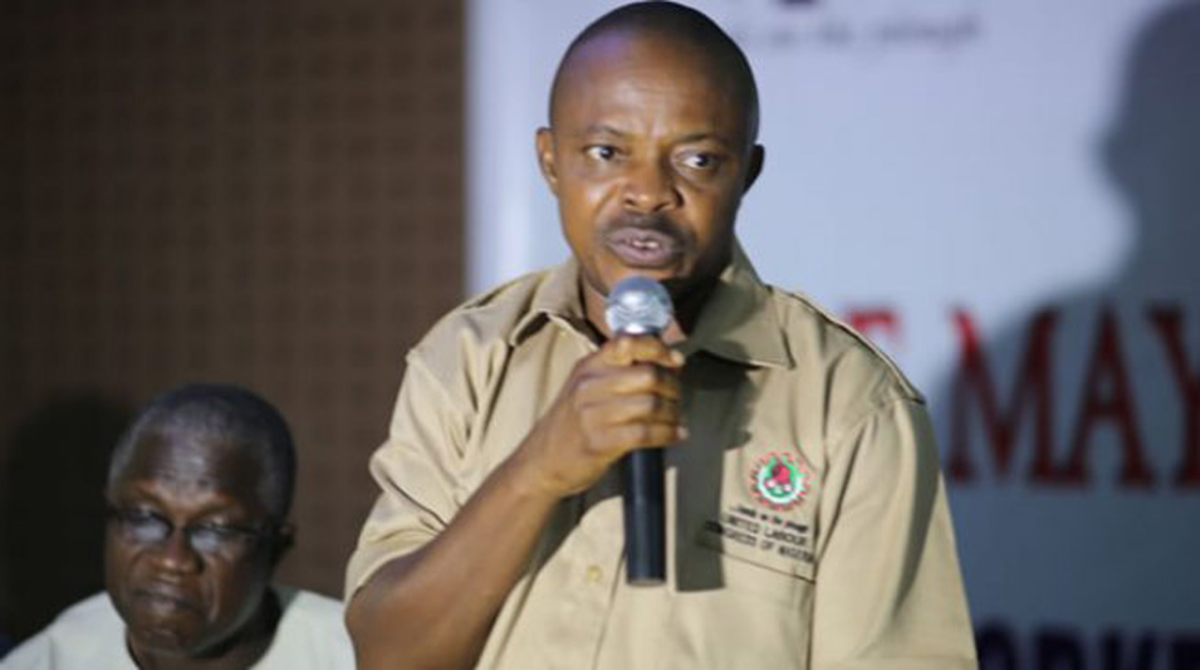
NLC President, Comrade Joe Ajaero, raised the concern at the opening ceremony of the 2026 NLC Harmattan School in Abuja yesterday, urging workers to remain united and resist attempts to set unions against one another.
He said the alleged plot was aimed at weakening the labour movement, undermining its bargaining strength and sabotaging negotiations for a new national minimum wage.
“At this point, as we prepare to negotiate a new national minimum wage, we want to draw your attention to the fact that the enemies of the labour movement are already at work.
“Their strategy is as old as it is dangerous; divide us, weaken our resolve, and sabotage the forthcoming national minimum wage negotiations before they even begin,” he said.
Ajaero alleged that those behind the moves intended to exploit existing differences within the labour movement, spread rumours and create distrust among unions and workers.
He warned that such tactics could deny Nigerian workers the decent wages they deserved, insisting that unity was critical to securing a favourable outcome in the forthcoming negotiations.
The National Minimum Wage Act 2024 provides for a review of the national minimum wage every three years, making 2027 the year for the next review and negotiations among the Federal Government, organised labour and employers.
The current N70,000 minimum wage followed negotiations in 2024, when the government and organised labour agreed to increase the figure from N30,000.
As part of preparations for the next negotiations, the Federal Government and the NLC reached an agreement on October 27, 2026, to immediately constitute a Tripartite National Minimum Wage Negotiation Committee involving government, labour and employers.
The agreement also provided for a monthly transport intervention of N70,000 for public servants for six months, beginning in November 2026.
However, Ajaero called on the Federal Government to honour its commitments under the agreement, particularly the payment of the transport allowance and the establishment of the Tripartite National Minimum Wage Negotiation Council.
READ ALSO:
- APC Campaign Council Courts Media Ahead Of 2027
- Atiku Raises The Alarm Over Alleged Plot To Attack Convoy
- Kwankwaso Made Me Swear To Rejoin APC, Yusuf Alleges
He said workers expected the transport allowance to be paid in November, alongside the convening of a monitoring meeting to assess the implementation of the agreement.
According to him, failure to honour negotiated agreements could undermine trust and weaken industrial relations between the government and organised labour.
“Trust is and has always been a key factor in building and maintaining a sustainable industrial relations climate; thus, fidelity to agreements is crucial.
“Nigerian workers expect government to honour commitments made through negotiations. Agreements cannot become matters of convenience that are implemented only when politically expedient,” he said.
He also urged state governments and private sector employers to implement the agreed measures.
Ajaero said the demand for improved wages had become more urgent amid rising living costs, declining purchasing power, unemployment, insecurity and increasing poverty.
He argued that economic reforms should not be assessed solely through macroeconomic indicators but also by their impact on workers, pensioners, unemployed youths, small business owners and vulnerable households.
He maintained that wages must reflect the actual cost of living to enable workers to afford basic necessities, including food, transport, housing, healthcare and education.
The NLC president also called for issue-based campaigns ahead of the 2027 general elections, urging political parties and candidates to present clear policies on employment, wages, social protection, education, healthcare, security, food production, taxation and industrial development.
He urged the Independent National Electoral Commission (INEC) to ensure transparency in its operations, particularly in preparing a credible voters’ register, to guarantee the integrity of the elections.
Ajaero said workers should not be treated merely as electoral numbers, stressing that their interests must be reflected in political programmes and government policies.
The NLC Harmattan School, organised under the theme, “Organising in the Context of Socio-economic Transformation”, is designed to strengthen trade unionists’ capacity to respond to economic, technological and political changes affecting workers.

