

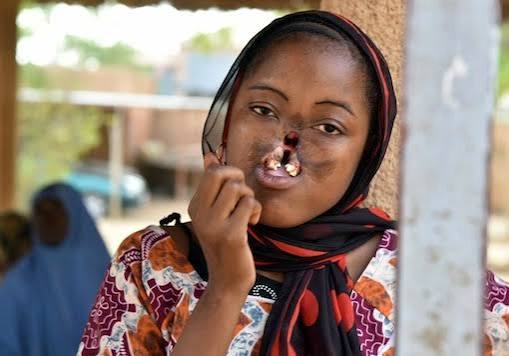
Despite years of medical interventions, new cases of noma disease continue to emerge in Sokoto State, raising concerns about prevention and early detection.
The Chief Medical Director of the Noma Children’s Hospital, Sokoto, Dr Abdullahi Bello, raised the concern during the 10th Noma Day commemoration on November 27, 2026.
He disclosed that the hospital had treated more than 1,700 patients since its partnership with the international medical organisation Médecins Sans Frontières (MSF) began in 2014.
Established by the Sokoto State Government in 1999, the hospital provides free treatment for noma patients, including children referred from other parts of Nigeria.
MSF Medical Team Lead, Florence Maghanga, also expressed concern about the continuous emergence of new cases, stressing the need to prioritise prevention and community awareness.
But what is noma, why does it affect children, particularly in northern Nigeria, and can it be treated?
What is Noma disease?
Noma, also known as cancrum oris, is a severe disease that causes the rapid destruction of tissues in the mouth and face.
According to the World Health Organisation (WHO), it usually begins as an infection of the gums before spreading to destroy the soft tissues, muscles and bones of the face.
The disease primarily affects children between the ages of two and six, particularly those experiencing malnutrition, poor oral hygiene and weakened immunity.
Noma is not contagious and does not spread through physical contact or sharing food.
What causes Noma?
The exact cause of noma is not fully understood. However, it is associated with bacterial infections and a combination of conditions that weaken the body’s ability to fight disease.
Malnutrition is one of its major risk factors because inadequate nutrition weakens children’s immune systems and makes them more vulnerable to infections. Poor oral hygiene and untreated gum infections may also contribute to the development of the disease.
Other factors include poor sanitation, limited access to clean water and inadequate healthcare. Children with weakened immunity or underlying illnesses, including measles and malaria, are also more vulnerable.
These conditions are often compounded by poverty and limited access to healthcare, particularly in underserved communities.
What are the symptoms?
Noma often begins with symptoms that may be mistaken for ordinary mouth infections. Early signs include painful, swollen or bleeding gums, mouth ulcers, bad breath and fever. Affected children may also experience excessive saliva, facial swelling and difficulty eating or drinking.
READ ALSO:
- INEC Mock Accreditation: Six Things Nigerians Should Know Ahead Of Saturday’s Exercise
- Pete Edochie: All You Must Know About Prostate Cancer As Nollywood Legend Dies
- Sokoto Students: ADC Accuses Aliyu Of Abandoning Scholarships
As the disease progresses, it can cause gangrene and destroy parts of the face, including the cheeks, lips and jaw. Survivors may experience permanent facial deformities and difficulties with eating, speaking and breathing.
The WHO estimates that noma has a mortality rate of about 90 per cent when left untreated. However, early diagnosis and treatment can significantly improve survival.
Can Noma be treated?
Yes. Noma is preventable and treatable, particularly when detected early.
Treatment may include antibiotics to control infection, nutritional rehabilitation, wound care and other supportive medical interventions.
Patients with advanced disease may require surgery to remove dead tissues and reconstructive operations to repair facial damage. Some survivors need several operations, alongside psychological support and rehabilitation.
How is Noma prevented?
Preventing noma requires addressing the conditions that make children vulnerable to the disease.
Providing children with adequate nutrition, promoting good oral hygiene, ensuring access to clean water and improving sanitation are important preventive measures. Routine childhood immunisation, including measles vaccination, is also essential in protecting children against infections that can weaken their immunity.
Parents and caregivers should seek medical attention when children develop persistent gum inflammation, mouth ulcers or unusual facial swelling. Healthcare workers also need to recognise early symptoms and refer suspected cases promptly to prevent the disease from advancing.
What is the government doing about Noma?
The Federal Government has announced measures to strengthen the prevention and treatment of noma in Nigeria.
In November 2026, it launched the National Oral Health Strategic Plan 2026–2030, estimated to cost N70 billion over five years.
The plan is expected to improve access to oral healthcare, strengthen disease surveillance, train healthcare workers and expand preventive services.
At a conference of the Nigerian Association of Oral and Maxillofacial Surgeons in Sokoto on November 26, 2026, the Minister of State for Health and Social Welfare, Dr Iziaq Salako, also announced plans to incorporate noma services into the Basic Health Care Provision Fund and National Health Insurance Authority benefit packages.
He further disclosed plans to establish a National Noma Registry and Research Centre.

