

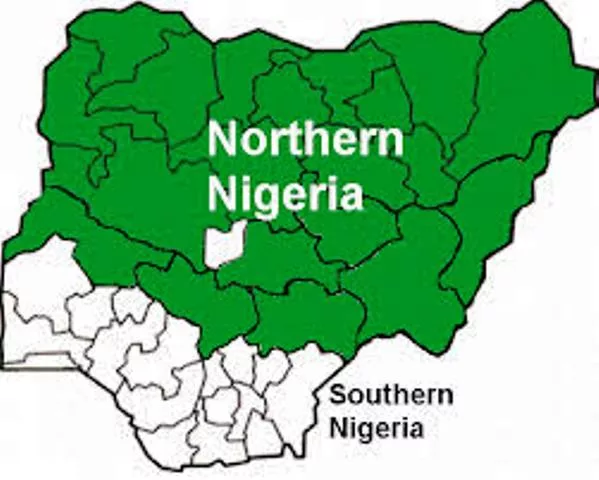
Northern states have emerged as the leading performers in implementing the resolutions of the National Council on Health (NCH), with North-Central and North-West recording average scores of 67.1 per cent and 64.3 per cent, respectively.
The ranking, released at the 67th National Council on Health conference in Nasarawa State and obtained from the Niger State Ministry of Health, also placed Niger State first nationally, with a 90 per cent implementation score, while Bayelsa came last with 22 per cent.
The figures showed that North-Central and North-West performed above the national average of 55 per cent, while South-West and South-South recorded 48.5 per cent and 45 per cent, respectively.
At the state level, Niger emerged as the best-performing state among the 36 states and the Federal Capital Territory, followed by Benue with 85 per cent, Akwa Ibom with 83 per cent, Abia with 81 per cent and Kogi with 79 per cent.
Seven northern states were among the top 10 performers in implementing resolutions adopted by the NCH, Nigeria’s highest health policy-making body.
The ranking was presented at the technical session of the 67th NCH conference held in Nasarawa State on 16 November 2026.
He said the reforms focused on strengthening primary healthcare delivery, rehabilitating and upgrading health facilities, providing essential medical equipment, developing the health workforce and improving institutional capacity.
According to him, the initiatives were aimed at repositioning the health sector as a major pillar of human capital development while ensuring residents had access to affordable, accessible and quality healthcare services.
READ ALSO:
- NSC, Enugu Gov’t Rule Out Postponement As States Intensify Preparations For National Sports Festival
- ‘Let’s Develop A Collective Agenda,’ Uba Sani Advises Northern Leaders
- INEC Deploys 186,277 BVAS Machines To States Ahead Of 2027 Elections
He said the 90 per cent rating demonstrated the importance of effective policy coordination, institutional commitment and consistent monitoring in achieving tangible improvements in healthcare delivery.
“It further demonstrates the Ministry’s determination to move beyond policy formulation to the practical implementation of decisions and resolutions reached at the National Council on Health.
“The achievement, however, places greater responsibility on the Ministry to sustain the momentum, address outstanding challenges and deepen ongoing reforms across the state’s healthcare system,” he said.
The state had also introduced precautionary measures to strengthen disease surveillance, early detection and emergency response, particularly to tackle diphtheria outbreaks.
The measures reportedly helped mitigate the spread of the disease and reduce associated deaths across the state’s 25 local government areas.

