

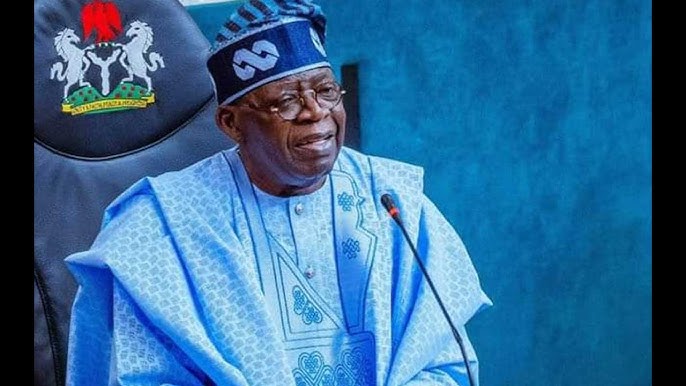
Afakriya Gadzama says that Nigeria is going through a lot of changes in its political alliances and security issues, which raises important questions about what is keeping the country stable and where it is headed in the future.
People who keep a close eye on Nigeria’s security situation have said that recent political and security events may be attempts to distract or even weaken the current government. Some people have seen bombings in Borno State and murders in parts of Plateau and Nasarawa States as signs of these kinds of efforts.
More broadly, many security experts think that President Bola Tinubu’s growing political power in different parts of the country may have caused political opponents to react because they are unhappy with his growing power. Also, rising tensions seem to be caused by people’s growing anger over the economy.
It is important to note that some people in the national security establishment have called these events proof that some agencies are not doing enough to stop them from happening. This has led to calls for changes to the national security system.
Some experts also say that the current threats weren’t completely unexpected and could last for a while. Many people believe that the ongoing violence and insurgency in some parts of the country are linked to changing political situations.
Further analysis indicates that the recent escalation of violence may be indicative of the concerns held by certain political figures who apprehend that President Tinubu’s potential re-election could undermine their aspirations. As a result, stakeholders have been told to keep a closer eye on political events and activities across the country.
Also, people have been asking the government to quickly deal with the economic problems that citizens are facing, since these problems are making people even more unhappy. Officials in charge of security and intelligence are also being urged to admit when they fail to keep an eye on and stop threats, especially in light of recent events.
The political climate, which is getting more and more heated, has also been named as a contributing factor, even though this is normal in democracies. Political realignments and defections have made things worse, especially for people whose goals haven’t been met. In some cases, this dissatisfaction may make their supporters act in a bad way.
Reports say that President Tinubu’s political gains in some areas have upset established interests. Recent defections to the ruling party have also caused mixed reactions. Some people have welcomed these kinds of movements, but others have been worried about them. Still, supporters say that working more closely with the federal government could help some areas grow, especially in the Northeast.
A lot of people in the area think that working more closely with the center politically could lead to big economic and infrastructure opportunities. But because key players have different interests and there hasn’t been any coordinated mobilization, this change hasn’t gotten as much support as it could have.
The growing number of politicians joining the ruling party has caused controversy, with some critics warning that it could lead to a one-party system. Some people, on the other hand, see it as a reflection of the current state of politics. People have compared this to other democracies where incumbents have stayed in power because people think they are doing a good job and things are stable.
People who support President Tinubu say that his record at both the state and national levels shows that he should continue to lead. They say that a lot of Nigerians believe that his government can solve the country’s problems, even though things are tough right now. There is also a widespread fear among citizens that the return of leaders who were in charge during tough economic times will happen again.
However, observers say that the President needs to deal with problems in his own government, especially by making sure that officials who aren’t doing their jobs well don’t hurt public trust. People still say that his dedication to national unity, inclusiveness, and institutional reform is a strength, but it needs to be backed up by good governance.
Many analysts think that alternative political actors have had a hard time getting the public to trust them or coming up with good alternatives, even though they have tried to stop them. Some people say this is because the political system is weak, the track records are inconsistent, and the voters don’t trust them very much.
Recent security assessments show that President Tinubu is still ahead of any possible challengers, mostly because people think he has a lot of experience and is a good leader. Trust is still very important, and it seems that many Nigerians are willing to support leaders they think can bring about stability and progress.

