

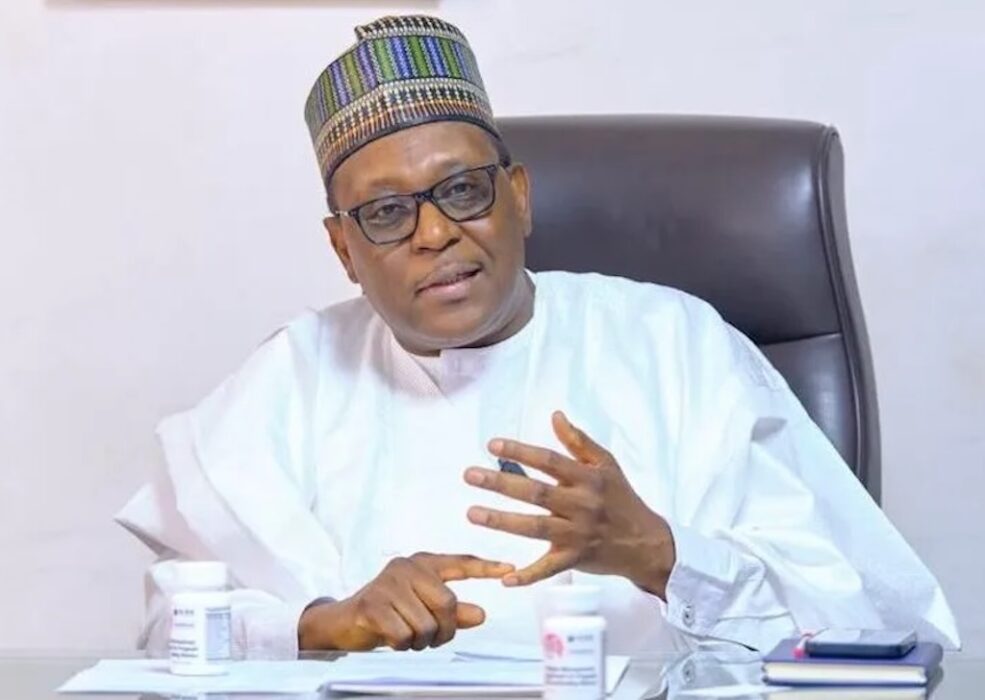
The Coordinating Minister of Health and Social Welfare, Prof. Muhammad Ali Pate, has urged state governments to ensure the timely release of increased health budgetary allocations, warning that inadequate funding could undermine ongoing reforms in Nigeria’s health sector.
Pate, who made the call at the 67th National Council on Health (NCH), themed: From Commitments to Results, in Lafia, Nasarawa State, on Thursday, said although state health budgets had increased from N1.97 trillion in 2023 to over N3.3 trillion in 2026, actual releases remained critical to sustaining improvements in healthcare delivery.
He also called on the Federal Government and state governments to increase domestic health financing, noting that Nigeria could face a significant funding gap if it failed to strengthen local resources as development assistance declined.
According to him, the government must take greater responsibility for financing the health sector, particularly as Nigeria transitions towards reducing dependence on external development assistance over the next four to five years.
Pate said the country had recorded progress in implementing the health sector reform agenda, disclosing that 41 of the commitments made under the Nigeria Health Sector Renewal Investment Initiative had been achieved, while 12 of 13 health indicators had improved over the last three years.
He said skilled birth deliveries in facilities supported by the Basic Health Care Provision Fund increased from 4.8 million in 2023 to almost eight million by mid-2026, while fourth antenatal visits rose from six million to 8.7 million within the same period.
The minister added that the emergency transport system had facilitated access to healthcare for more than 100,000 women and newborns, while the proportion of Basic Health Care Provision Fund-supported facilities in areas covered by the Maternal Mortality Reduction Innovation Initiative (MAMII) with at least two midwives or community health workers increased from 12 per cent to almost 91 per cent.
On healthcare affordability, Pate said health insurance coverage had increased from 16 million to nearly 24 million Nigerians in three years.
He added that the Free Emergency Obstetric Care Programme had covered more than 80,000 caesarean sections in two years, while over 50,000 Nigerians had received free emergency care within two to 48 hours at 507 designated facilities.
READ ALSO:
- Nigeria Faces Health Funding Crisis As US Aid Exit Looms
- FG Warns Of Health Funding Gap As US Plans Exit Within 5 Years
- Kaduna Mother Seeks Govt Intervention To Rescue 2 Abducted Children
He further disclosed that dialysis costs had been reduced by up to 80 per cent for more than 5,000 patients, while over 17 million adolescent girls had received Human Papillomavirus vaccines to prevent cervical cancer.
However, Pate said the country still faced significant challenges, particularly in the quality of primary healthcare services, equitable access to healthcare and the financial burden on households.
He noted that fewer than four in 10 rural births were attended by skilled health workers, compared with seven in 10 urban births, stressing the need for governments to prioritise vulnerable populations, including rural dwellers, displaced persons, prisoners and people with disabilities.
The minister also called for improved implementation of resolutions adopted at previous National Councils on Health, noting that some policies on sodium reduction, cosmetic safety, contraceptive prevalence and labour source management were yet to achieve the desired implementation.
He urged commissioners of health to ensure that resolutions adopted at the council were incorporated into their state budgets and annual operational plans, with clear timelines and quarterly progress reports.
Pate further called for sustained investment in health workers, urging governments to protect frontline personnel, improve working conditions, ensure timely payment of salaries and strengthen the deployment and retention of health professionals, particularly in rural communities.
On health security, he commended the Nigeria Centre for Disease Control and Prevention and other frontline agencies for containing the recently imported Ebola case, while urging states to strengthen disease surveillance, laboratory readiness and funding for public health emergency operation centres.
He warned that Nigeria must remain vigilant against Ebola, cholera, Lassa fever, meningitis and measles, which continue to pose public health challenges.
He urged federal and state governments to ensure that resolutions translated into measurable improvements in healthcare delivery, adding that the next council should assess results that citizens could see in their communities.

