

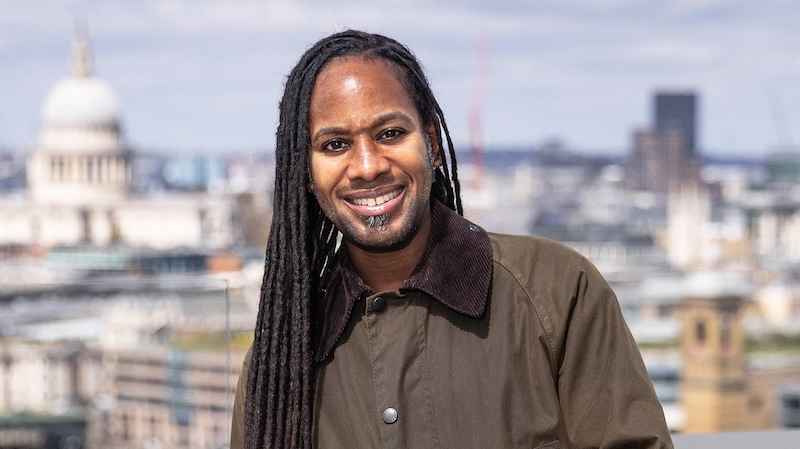
Fresh questions have emerged over the treatment of late University of Cambridge professor Jason Arday following a report that four formal investigations failed to substantiate plagiarism allegations against him.
The report, published by Byline Times on October 21, 2026, has renewed scrutiny of the circumstances surrounding the British sociologist’s resignation from Cambridge and the accusations that preceded his death.
Arday, who was 41, was found dead at his home in south London months after leaving the university amid allegations of plagiarism and questions about aspects of his professional history.
The Metropolitan Police reportedly described his death as unexpected but not suspicious. Officers were called to the property by the London Ambulance Service shortly after 3 p.m. on a Friday, where he was pronounced dead.
According to Byline Times, four formal investigations failed to substantiate the plagiarism claims. Academic publisher Taylor & Francis reportedly carried out another investigation that also appeared to conclude without establishing the allegations.
The findings have prompted renewed discussion about institutional responsibility when allegations of academic misconduct threaten a scholar’s reputation and career.
Read Also: Breaking: Nigeria Evacuates Ebola Index Patient Overseas for Medical Care
Arday served as Professor of Sociology of Education at Cambridge, with work focused on race, inequality and social justice.
His experience has drawn attention to the importance of evidence-based decision-making and fair treatment in academic institutions. Allegations can have serious professional and personal consequences, making it essential that investigations are conducted impartially and their conclusions communicated responsibly.
The latest report also raises questions about how universities and publishers should respond when allegations are not substantiated through formal inquiries.
Nevertheless, the available account does not provide the complete reports, detailed evidence or precise conclusions of each investigation. It would therefore be premature to draw further conclusions about individual decisions made during the process.
The reported findings have renewed interest in Arday’s case and the wider need for transparent procedures in handling academic misconduct allegations.

