

The Central Bank of Nigeria (CBN) and the Nigerian National Petroleum Company Limited (NNPC) have entered into a Memorandum of Understanding (MoU) to strengthen monitoring of oil and gas revenues, boost foreign exchange earnings, and ensure the proper remittance of proceeds into government accounts.
The agreement was signed on Wednesday at the CBN headquarters in Abuja. It is also expected to improve energy financing, automate payment processes and enhance regulatory compliance between the two institutions.
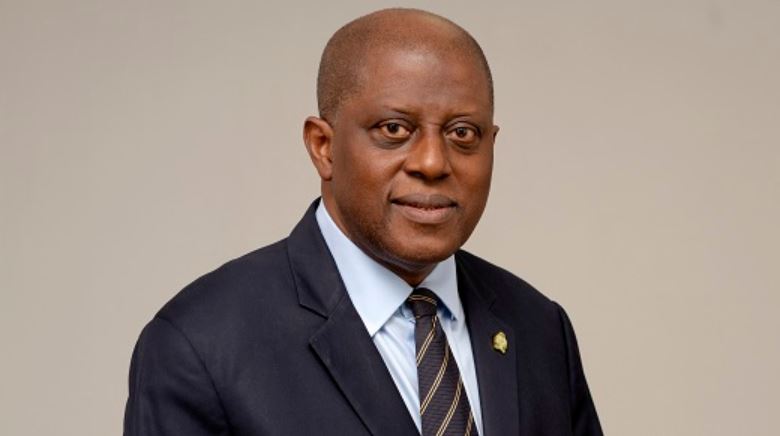
Speaking at the signing ceremony, CBN Governor Olayemi Cardoso said the partnership would promote efficient management and settlement of oil revenues, which are vital to Nigeria’s public finances and foreign exchange stability.
“As custodian of NNPC Limited’s key operational foreign currency accounts, the Central Bank of Nigeria plays a critical role in ensuring the timely, secure and transparent settlement of oil and gas proceeds into the Federation Account and other designated government accounts,” Cardoso said.
He noted that steady oil revenue receipts were crucial to sustaining monetary stability, particularly amid economic uncertainties.
“Our continued collaboration in efficient account management, funds transfer and liquidity support directly contributes to macroeconomic stability by ensuring the availability of revenue to achieve fiscal mandates and predictable inflows into the foreign exchange markets,” he added.
Cardoso said the MoU would address several areas, including the monetisation of hydrocarbon assets, streamlined operational approvals, automated payments, cybersecurity, regulatory coordination and information exchange.
He also said the CBN would work with NNPC to attract international financial institutions capable of providing funding for the development of Nigeria’s gas resources.
“The CBN is well positioned to collaborate with NNPC Limited by exercising its convening power to attract global institutions with financial structures that can help develop Nigeria’s vast natural gas resources,” he said.
The governor explained that the agreement was intended to strengthen an existing working relationship, noting that both institutions and other stakeholders in the oil sector had been holding regular engagements to address operational challenges.
In her remarks, the CBN Deputy Governor, Operations, Emem Usoro, said Nigeria’s gross external reserves had risen above $55bn, attributing the growth to increased oil production and sustained diaspora remittances.
“Today, while our gross external reserves exceed $55bn, supported by higher oil production and sustained diaspora remittances, we are confident that this MoU will help preserve and strengthen our reserves through improved export earnings and foreign exchange inflows,” she said.
Usoro said the agreement would provide a more structured framework for managing international trade, energy financing, liquidity support and risk management.
The Group Chief Executive Officer of NNPC Limited, Bayo Ojulari, said the partnership would promote financial discipline and enable the company to mobilise funding by leveraging its assets and balance sheet.
READ ALSO:
- State Police: Senate Urges Tinubu To Sign Bill, Says Constitutional Requirements Met
- Tinubu Receives State Police Bill, Set To Sign Into Law
- Kolmani Oil: Fresh December Deadline Raises Hopes, Doubts
He recalled that the company was facing significant financial challenges when he took over in April 2025, including liquidity constraints, troubled projects, heavy debt obligations and difficulties with its refineries.
“At the starting point, NNPC was in a very challenging situation. Our liquidity position was extremely weak, and the majority of our projects were heavily challenged,” he disclosed.
Ojulari said the management had since reviewed proposed asset disposals and existing loans as part of efforts to address the company’s financial difficulties.
He added that the agreement would establish joint steering and working committees to track progress and assess implementation based on agreed performance indicators.
“We are here not just for the optics. We are here to build a working partnership that delivers results,” Ojulari said.
Also speaking, NNPC’s Group Chief Financial Officer, Adedapo Segun, said the MoU would replace the informal approach previously adopted by both institutions in handling financial transactions and operational challenges.
“For too long, NNPC Limited and the CBN have cooperated on an ad hoc basis, transaction by transaction and crisis by crisis. That model will no longer serve Nigeria,” he said.
Segun said stronger coordination between the institutions would help attract investments required to raise Nigeria’s crude oil production from 1.8 million barrels per day to three million barrels per day.
He added that NNPC would ensure that domestic payments, contractor settlements and foreign exchange conversions complied with CBN regulations to support the stability of the naira and limit dollarisation.
According to him, both institutions had agreed on working groups, implementation schedules and accountability measures, with NNPC Group Treasurer, John Etukudo, coordinating the company’s implementation efforts.
The latest agreement comes two years and nine months after the NNPC board approved the transfer of a significant portion of the company’s dollar earnings and banking transactions to the CBN in February 2024.
The then Group Chief Executive Officer of NNPC, Mele Kyari, had said the decision followed a board directive requiring the company to maintain safe cash exposure limits with commercial banks. He added that the CBN had created a dedicated department and digital platform to manage the transactions.
The arrangement also followed President Bola Tinubu’s directive that proceeds from crude oil sales be submitted to the apex bank for vetting and documentation. The directive had attracted criticism over concerns about NNPC’s operational independence.

