

Nasarawa State recorded 888 reported cases of Gender-Based Violence (GBV) between January and September 2026, a rise from 852 cases recorded within the same period in 2025.
The figures, released on Thursday by the State Government at the flag-off of the 2026 16 Days of Activism Against Gender-Based Violence in Lafia, show an increase of 36 cases, representing a 4.2 per cent rise year-on-year.
The data translates to an average of about 99 cases per month, or more than three reported cases every day, in the first nine months of the year.
State officials say the increase does not necessarily mean violence is only now rising, but underscores both the scale of the problem and the urgent need to strengthen prevention, reporting, survivor support and accountability.
“This increase underscores the need to intensify prevention, reporting, survivor support and accountability measures,” the Government stated at the flag-off.
The Global Picture
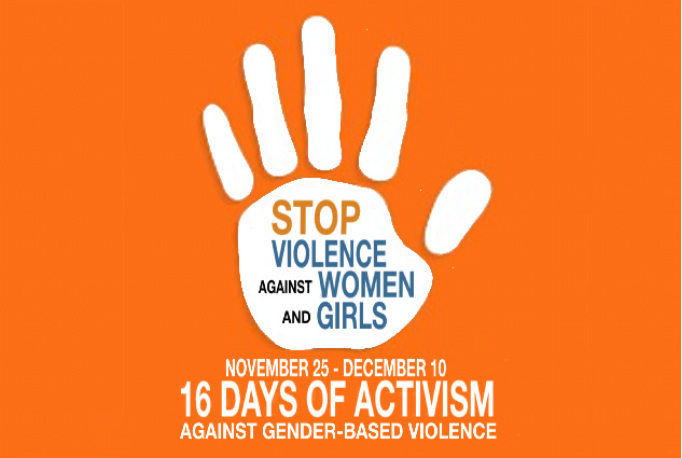
The 2026 campaign, which runs from November 25 to December 10, is being observed under the global theme: “UNITE to End Violence Against Women and Girls: Ensure Justice, Protect Survivors, End Impunity.”
READ ALSO:
- Stakeholders Push For Rights-Based Mental Health Care In Nasarawa
- Lassa Fever: Nigeria Records 43 Confirmed Cases In Two Weeks
- Oba of Lagos Urges Politicians To Shun Violence, Allow Records To Speak
Globally, one in three women and girls experiences violence in her lifetime, according to data cited by the State Government.
Beyond physical and emotional harm, survivors often face stigma, discrimination, economic hardship and fear of reporting — factors that experts say mean official figures represent only a fraction of actual cases.
What The Numbers Mean
A breakdown of the Nasarawa data shows:
• 2025 (Jan – Sept): 852 reported cases • 2026 (Jan – Sept): 888 reported cases • Difference: +36 cases • Percentage increase: 4.2% • Monthly average in 2026: 98.7 cases • Daily average in 2026: 3.3 cases
Stakeholders say the steady rise in reported cases points to two realities: persistent violence in homes, schools and communities, and growing willingness by survivors and families to report.
Response and Activities
The State Government commended development partners, implementing organisations and GBV service providers for supporting survivors through medical care, psychosocial counselling, security interventions and legal assistance.
As part of this year’s 16 Days of Activism, the Ministry, in collaboration with its partners, will carry out:
• Community and school outreaches • Media engagements and public awareness activities • A statewide solidarity road walk culminating in a grand rally
The campaign is calling on parents, schools, traditional and religious institutions, community leaders, young people and the media to play active roles in prevention.
Residents were urged to reject violence, speak out against abuse, support survivors, and ensure perpetrators are not shielded by silence or social influence.
“Ending GBV is not the responsibility of government alone,” the Government said. “Together, we can ensure justice, protect survivors and end impunity in Nasarawa State.”

