

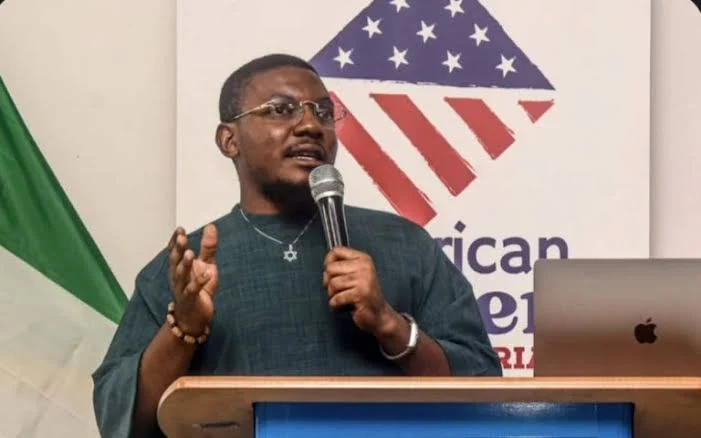
Evangel, who also identifies as a journalist, said investigative reporting required media practitioners to scrutinise public institutions, question government decisions and demand accountability on issues affecting the public.
She maintained that such responsibilities should not be interpreted as hostility towards government but recognised as essential elements of democratic governance.
Ojukwu was remanded over reports questioning the management of public funds by the Office of the Senior Special Assistant to the President on Sustainable Development Goals (OSSAP-SDGs).
The journalist’s case has generated concerns among media and civil society stakeholders, particularly over the implications of criminal proceedings involving journalists investigating matters of public interest.
While acknowledging that press freedom does not exempt journalists from professional responsibility, she stressed that accuracy, fairness and responsible reporting remained fundamental principles of journalism.
She, however, cautioned that legal processes involving journalists must be handled with restraint and proportionality to prevent their use as instruments of intimidation or the creation of a chilling effect on investigative reporting.
READ ALSO:
- Ojukwu: Journalists Warn Tinubu Govt Against Intimidating Media, Silencing Investigative Reporting
- Ojukwu: Charge Journalist To Court If He Committed Offence, Says SAN
- Reserved Seats Bill Key To Boosting Women’s Political Representation – Speaker Abbas
“My position is that Ojukwu’s fundamental rights and the principles of fair hearing must be respected, while the judicial process is allowed to take its course without interference,” she said.
The WIELD-I executive director also urged government institutions to embrace openness and respond appropriately to legitimate questions about their activities.
She warned that the treatment of journalists investigating public institutions could influence the willingness of other reporters to undertake similar assignments.
“The bigger issue is the kind of environment we are creating for journalism in Nigeria. Journalists must be able to ask questions, investigate matters of public interest and hold institutions accountable without fear that performing these responsibilities could expose them to intimidation,” Evangel said.
She maintained that protecting investigative journalism was important to ensuring transparency in public institutions and strengthening democratic accountability.
Evangel’s intervention adds to growing concerns over the implications of Ojukwu’s case for press freedom and the ability of journalists to scrutinise public expenditure without fear of intimidation.

