

Key stakeholders from the aviation, maritime, rail, road transportation, and security sectors have strongly supported the Federal Government’s plan to reposition the Nigerian Safety Investigation Bureau (NSIB) as an independent multimodal accident investigation agency.
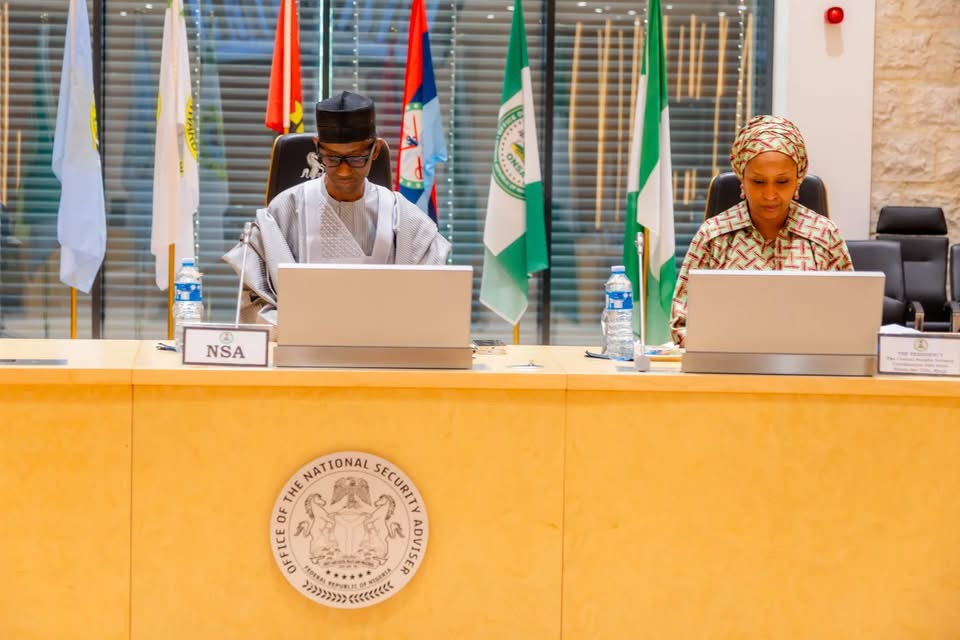
The endorsement was made during a high-level stakeholder engagement at the Office of the National Security Adviser’s (ONSA) Joint Intelligence Board Hall in Abuja, Nigeria’s capital, where attendees demanded greater coordination between national security response mechanisms and transportation safety oversight.
In order to address the implementation of the new reporting structure authorized by President Bola Ahmed Tinubu in March 2026, ONSA called a meeting that included key government officials, transportation regulators, emergency response agencies, and security organizations.
The NSIB will no longer be supervised by the Federal Ministry of Aviation and Aerospace Development; instead, it will report directly to the Presidency through ONSA.
The change, according to stakeholders, is a strategic response to the growing complexity of transport-related accidents and emergencies, many of which now touch on issues linked to infrastructure protection, intelligence management, emergency response coordination, and national security.
Speaking at the engagement, Captain Alex Badeh Jr., Director-General of the NSIB, characterized the move to the Presidency as a significant institutional shift that will improve interagency cooperation, operational independence, and investigative transparency.
“We still have a preventive rather than a punitive role. The Bureau finds systemic safety flaws, ascertains the likely causes of incidents, and makes suggestions to stop them from happening again. Badeh declared, “We don’t control, prosecute, or assign blame.
He went on to say that the new framework would enhance the timeliness of occurrence notifications, the preservation of evidence, and the coordinated response when investigating occurrences having broader national security consequences or involving numerous authorities.
Keeping the Public Trust
Mallam Nuhu Ribadu stated in his speech that the reform to remove bureaucratic bottlenecks, bolster investigative neutrality, and create a more cohesive national transportation safety framework was authorized by the Presidency.
He said that ONSA would promote institutional coordination and monitoring, especially when probes entail operational or systemic flaws related to sectoral agencies.
He emphasized that in order to maintain professional integrity, impartiality, and public trust, an independent reporting structure was required.

