

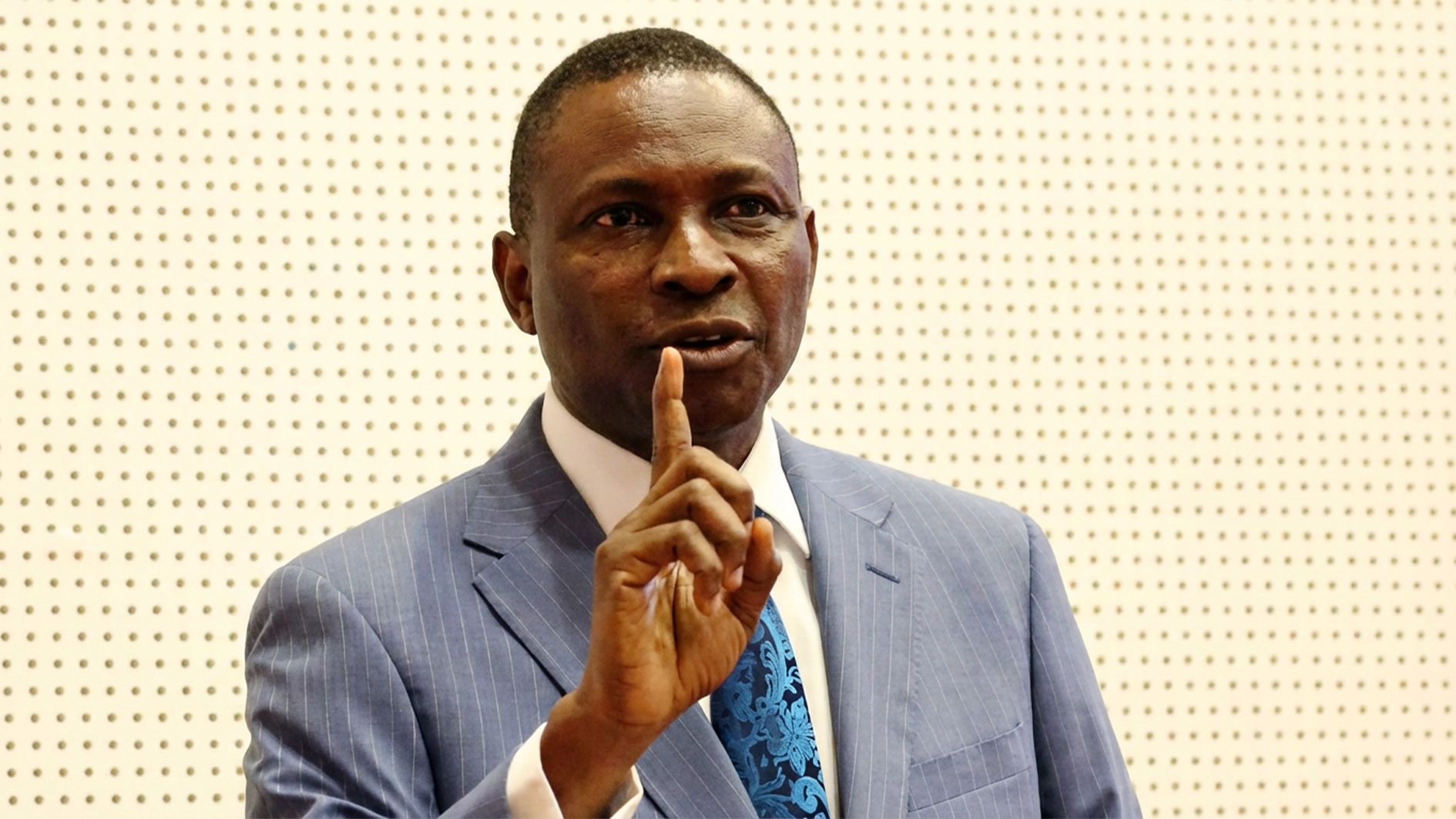
The Executive Chairman of the Economic and Financial Crimes Commission (EFCC), Ola Olukoyede, has raised the alarm over the rising cost of elections in Nigeria. He said some governorship aspirants spent between ₦20 billion and ₦30 billion to secure victory during the last primary elections.
Olukoyede warned that the development poses a serious threat to democratic governance, adding that the huge sums spent by politicians during elections often fuel corruption in public office.
The EFCC chairman reportedly spoke on Wednesday while delivering the inaugural High-Level Guest Speakers’ Series organised by the Centre for Peace and Strategic Studies, University of Ilorin.
Themed, “De-risking and Mobilising Critical Stakeholders for Peaceful and Credible 2027 Elections in Nigeria”, the lecture was
Election Spending Promotes Corruption – EFCC
Olukoyede said the huge financial investments politicians make during elections also put pressure on elected officials to recoup their money after assuming office.
According to him, the desperation to recoup campaign expenses can drive public office holders to divert public funds, instead of concentrating on governance and service delivery.
He said the situation was especially dangerous as it weakens the quality of leadership churned out through the electoral process.
“The commercialisation of votes undermines the basis of good governance as this affects the process of political recruitment. “Leaders who buy their way into office are more likely to focus on recouping their investments than on serving the public interest,” he said.
The EFCC boss said when the route to public office is paved with money rather than competence, integrity and public trust, the outcome is poor governance and weakened democratic institutions.
He said Nigeria could not build credible leadership if it failed to tackle vote-buying, financial inducement and other electoral offences.
“We are committed to fighting vote-buying and other financial practices capable of undermining the integrity of Nigeria’s electoral system,” Olukoyede said.
He revealed that the EFCC had made several arrests across the country in connection with vote-buying and other related electoral offences.
Some of those arrested had already been convicted, he said.
Those prosecuted, he said, were “politicians, electoral officials and ordinary citizens who were found culpable of electoral misconduct.”
The EFCC chairman warned that impunity in the electoral process could threaten democracy and national stability.
He emphasized that the enforcement of electoral laws must be firm and fair adding that there should be no sacred cows.
Commission Plans To Use Drones For Election Monitoring
The EFCC is planning to deploy drones and other technological tools to strengthen election monitoring ahead of the 2027 general elections, Olukoyede said.
The technology, he said, would help the commission track vote-buying and financial inducement, especially around polling units.
The EFCC chairman said the agency will continue to enhance its operational methods to align with the evolving tactics of politicians and their agents during elections.
He urged political parties and their supporters to conduct issue-based campaigns rather than inducement, intimidation or inflammatory statements capable of triggering violence.
Olukoyede also urged key stakeholders, including the Independent National Electoral Commission, security agencies, civil society organisations, the media and political actors to collaborate in delivering peaceful, free and credible elections in 2027.
VC: Electoral Corruption Threatens Security
In the same vein, the Vice-Chancellor of the University of Ilorin, Professor Wahab Egbewole, SAN, said electoral corruption was a serious threat to the country’s security as well as democratic development.
Egbewole said credible elections were crucial to national stability, economic growth and public confidence in governance.
He stressed the need for greater cooperation between academic institutions and agencies responsible for ensuring the integrity of the electoral process.
He said universities have a part to play in research, public enlightenment and policy engagement to strengthen democracy.
Director of the Centre for Peace and Strategic Studies, Professor G.A. Animasawun, in his welcome address, said the lecture series was created to provide a platform for proactive discussions on threats to Nigeria’s electoral process ahead of the 2027 polls.
He said the initiative would bring together policy makers, security experts, electoral officials, civil society groups and scholars to develop practical solutions for peaceful and credible elections.
“Early engagement is imperative to reduce risks to the elections and build confidence in the democratic process,” Animasawun noted.
Representatives of security agencies, electoral bodies, civil society organisations, members of the academic community and students attended the event.

