

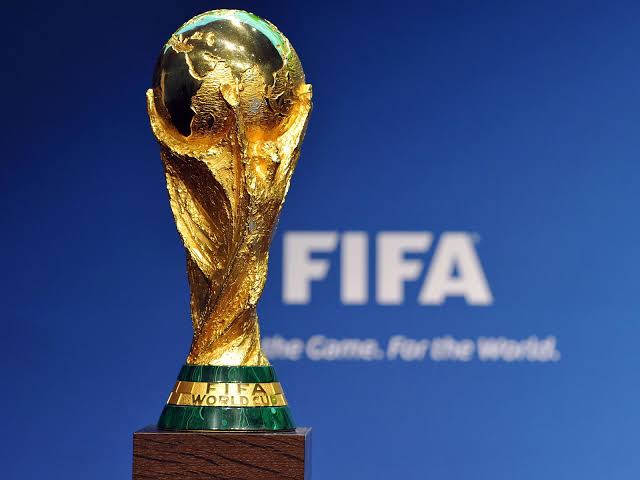
The 2026 FIFA World Cup will be the biggest football tournament ever, with 48 national teams battling across North America between June 11 and July 19.
The month-long spectacle, co-hosted by the United States, Canada and Mexico, will end at the New York/New Jersey venue after matches in major cities including Los Angeles, Miami, Dallas, Toronto, Vancouver, Mexico City and Monterrey.
The tournament spans an entire continent and is expected to draw large crowds from around the world. The United States has already warned international fans that they will need to fulfill all travel and visa requirements well in advance to attend what officials are describing as a record-breaking event.
Nigeria will not feature at the tournament after losing their qualification bid to the Democratic Republic of the Congo, it was reported.
Thursday’s review of the US Department of State website shows Nigerians are still among nationals subject to limited entry under Presidential Proclamation 10998, a restriction in effect since January 1, 2026.
The Federal Government had in February said it was engaging the United States through diplomatic channels for the removal of Nigeria from the list affected by Washington’s immigrant visa restrictions. Three months on and weeks before the tournament there has been no visible change in policy.
That means sports writers and fans could be restricted but they can still apply for visas under some conditions, although there is no guarantee of approval. Travel guidance for some other countries like Ghana appears more detailed and less restrictive.
The Department of State said it is committed to using strict visa screening and national security procedures to protect the country and tournament participants.
Meanwhile scientists and climate experts have revived fears of dangerous heat conditions at the tournament. In an open letter reported by BBC Sport, medical experts, climate researchers and sports scientists have called on FIFA to improve the heat protection measures suggested by FIFPRO.
Andrew Simms, coordinator of the letter, said, “Player safety is an immediate and urgent concern because things can go wrong very quickly when people overheat. “We are concerned that FIFA is gambling with the health and safety of players.
The letter said that about 25% of matches could be played in temperatures above 26°C Wet Bulb Globe Temperature (WBGT), a leading indicator of heat stress. Scientists warned that about five matches could go above 28°C WBGT, a level deemed unsafe for professional football.
Researchers say the risk of extreme heat is nearly twice that of the 1994 World Cup in North America. Thunderstorms and wildfire smoke have also been identified as possible hazards.
FIFA said it would implement a “tiered heat mitigation model” and dedicated meteorological monitoring across host cities. Kick-off times have been scheduled to avoid the hottest part of the day and to favour those stadiums with a roof wherever possible.
But critics say climate change is raising serious questions about the future of summer sports events.

